Fukuoka, Nagasaki, Osaka and Yobuko
This page was machine-translated. Read the original (Nederlands)
After leaving the Seto Inland Sea through the Kanmon Strait, we arrived in Fukuoka. That took some getting used to. A storm further away had set up a nasty swell, and this close to the coast, where we were sailing, it makes for an unpleasant chop. We headed for Odo marina in Fukuoka, home to the office of Kirk Patterson, our agent. He came straight over to say hello, but by then we were already sitting in the izakaya. Those are restaurants that serve all sorts of dishes without really focusing on one type of food. That’s worth mentioning because here you mostly find restaurants that do only yakitori, or teppanyaki (very expensive, hard to find), sushi, okonomiyaki, etc. This time it was very good. Nothing but Japanese people, of course, because Fukuoka isn’t really on “the route” for tourists.
The next day we do manage to meet up and have a nice chat. Marion has rented a car, a Toyota Prius. The new model is wonderfully good-looking, but not very roomy inside. It is ridiculously economical, though: in three days we drive 500 km on 20 litres of petrol. First we go to Nagasaki, where we spend two nights in a fancy hotel. In the evening we eat the local speciality by the water, “champon” noodles. In case you hadn’t noticed yet, every city or region in Japan likes to have something food-wise that’s “its own”.
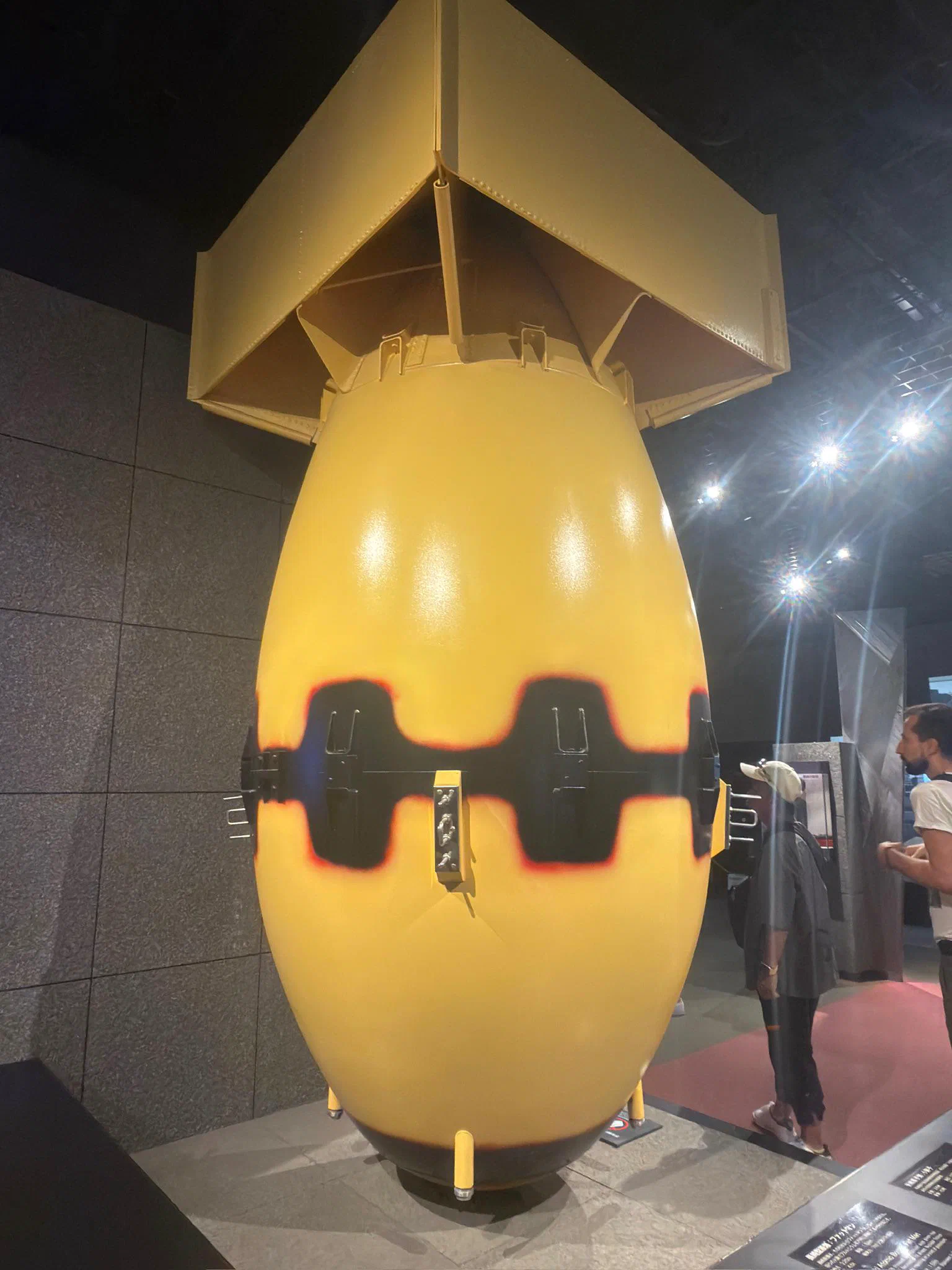
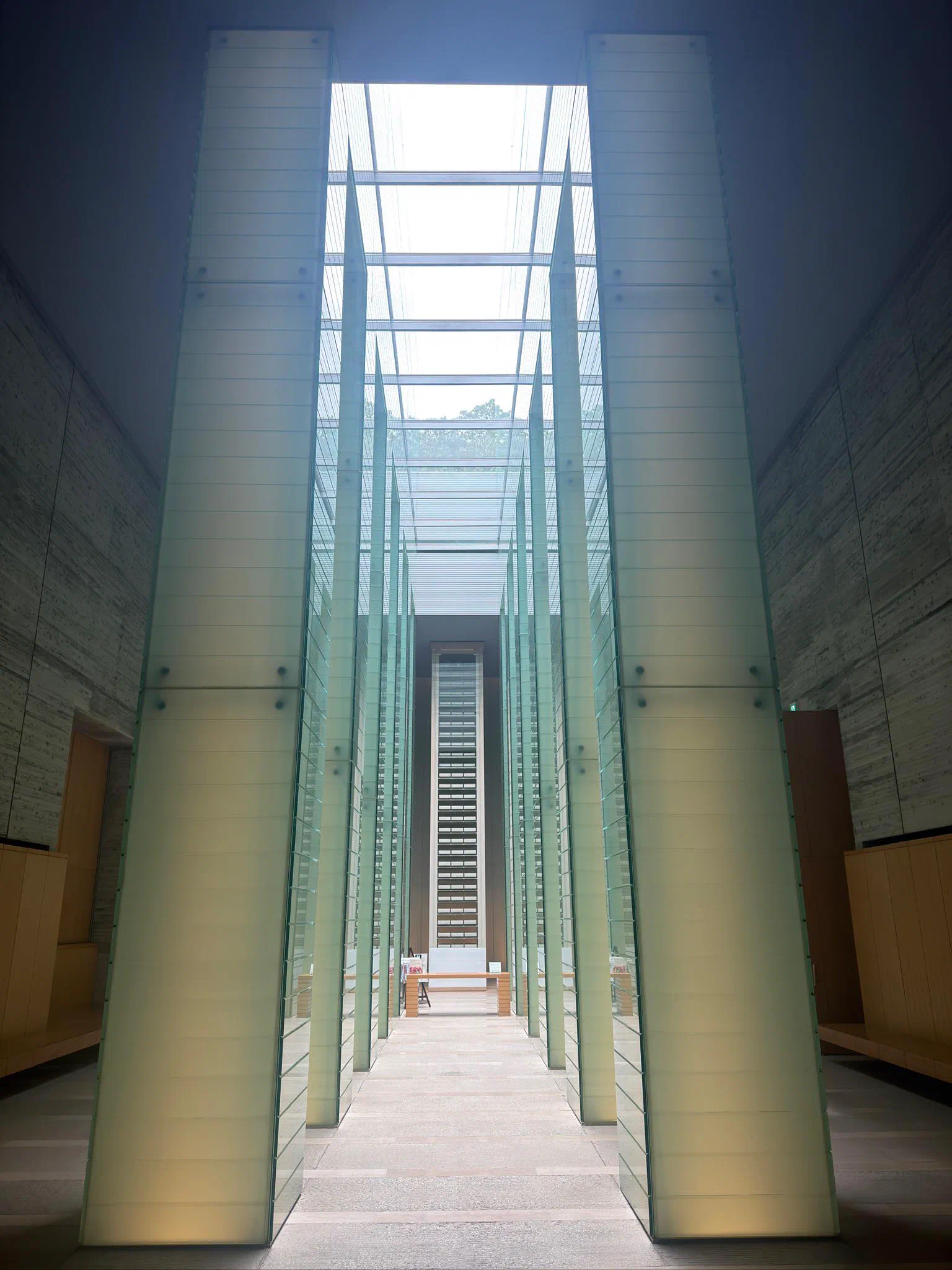
The next day we start with the Atomic Bomb Museum. Different from Hiroshima, but every bit as impressive. Once again we come out completely overwhelmed.
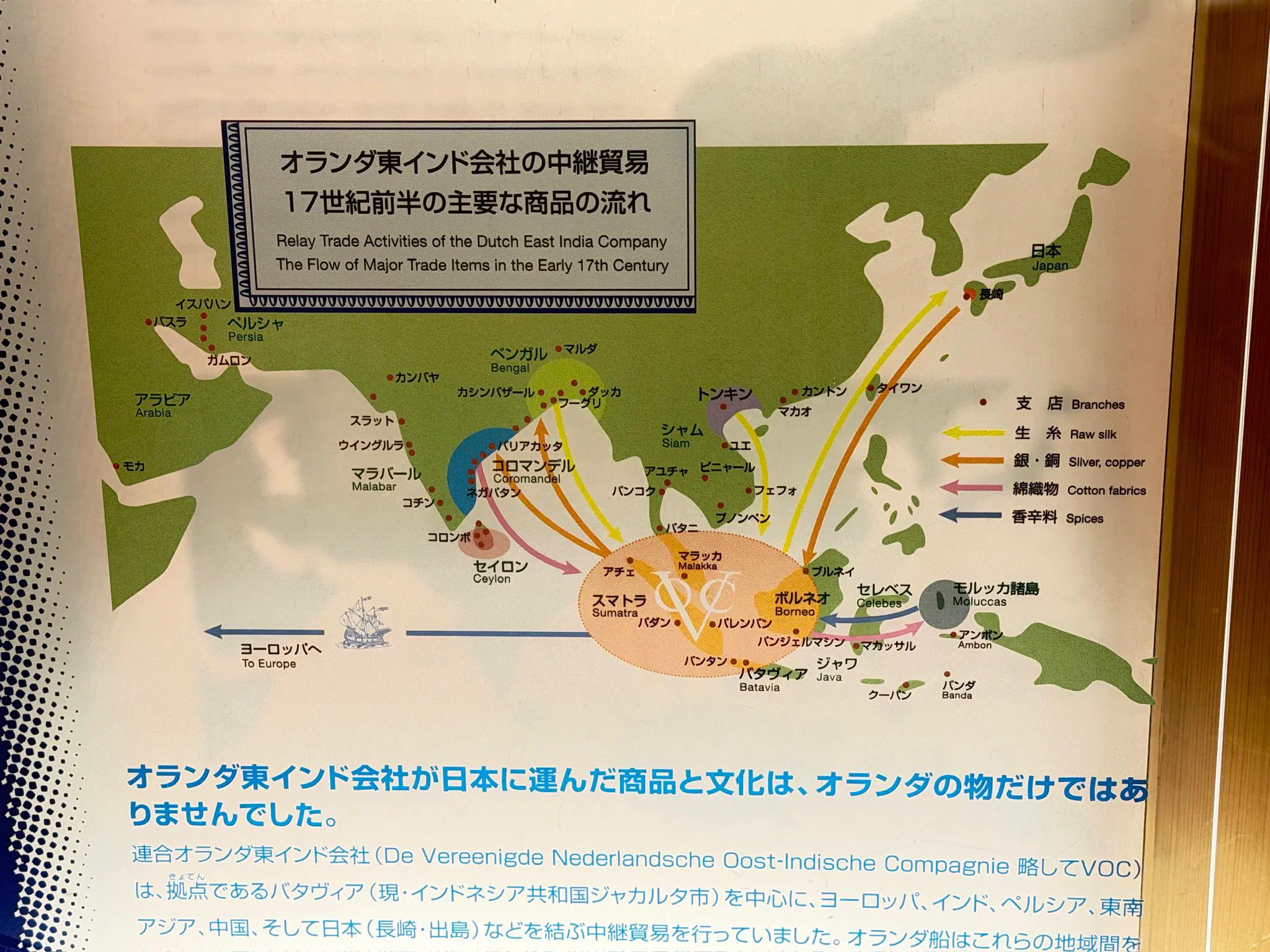
After lunch we move on to Dejima, the old trading post where, for 200 years, the Dutch were the only foreigners allowed to trade with Japan. The VOC (the Dutch East India Company) mostly ran a “triangular trade”. They bought silk and other goods in India and China that the Japanese wanted. With the silver and copper they got in return, they bought more silk and so on, and with the profits they bought the spices, like pepper and nutmeg, that were so popular in Europe. Over time Dejima disappeared completely, as things tend to do in Japan. Somewhere around the 1980s they realised there was a good story to be told here, and the buildings were rebuilt in their (semi-)original state. Beautifully done, mind you, and certainly historically accurate.
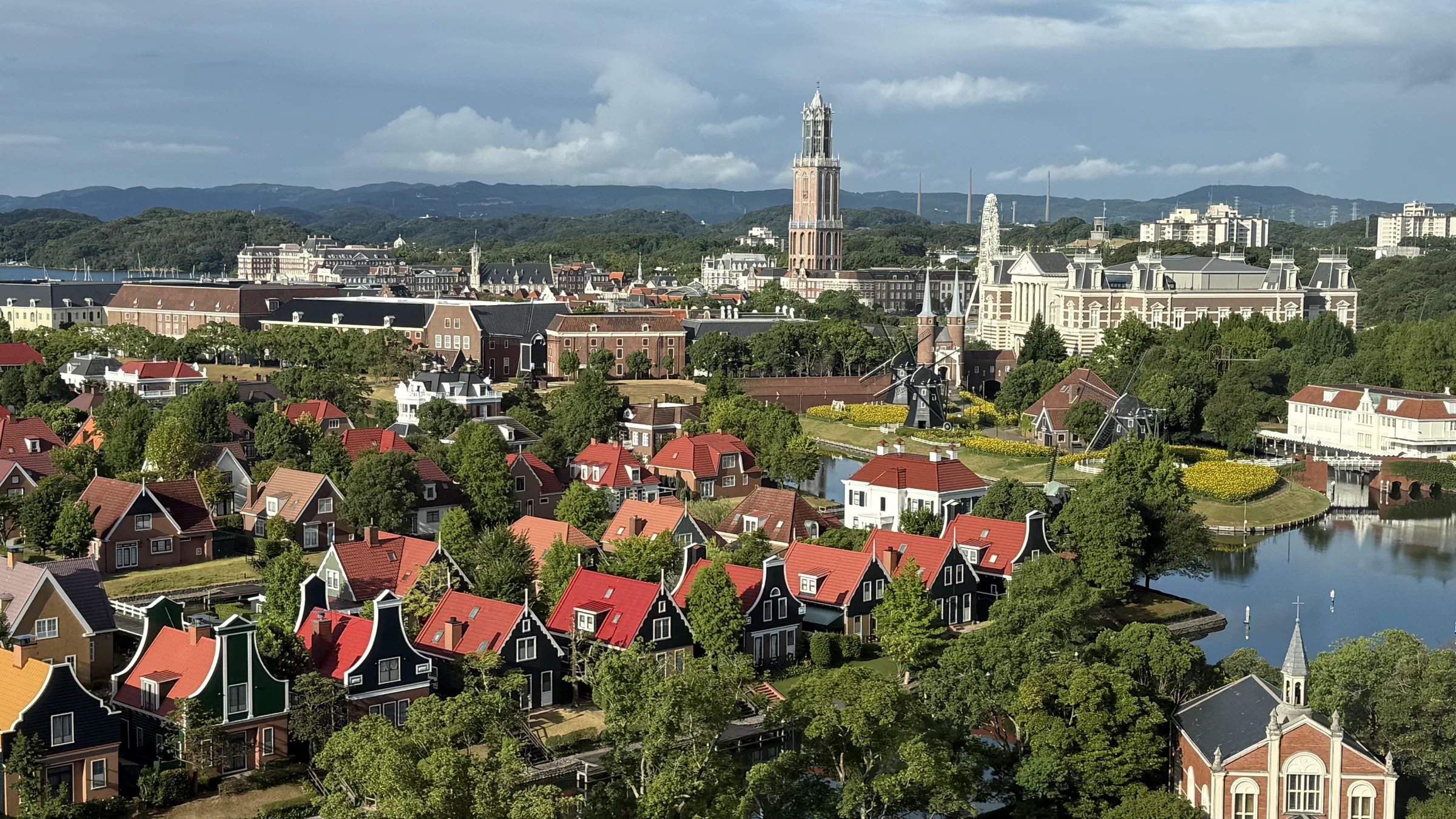
The next day we drive across the beautiful island of Kyushu to Huis Ten Bosch. Yes, really: our king’s palace. There’s a replica of it here, along with the central museum of Amsterdam, the Waterpoort water gate of Sneek and lots more. It’s the biggest theme park in Japan, and the fact that it’s Dutch makes it all the stranger. Fake, very fake, but still fun. We sleep in Centraal Station, which on closer inspection turns out not to be inside the park. Getting into the park for a bit would cost us a fortune, so we happily opt for the onsen instead. Squeaky clean and refreshed, we sit down to dinner. The next day we drive to Hirado, the very first place where the VOC was based. The Portuguese were here too, before they were shown the door for trying to convert too many people. Here as well there’s a beautifully rebuilt building, a warehouse, which is now also a museum. Once again we read all the signs (well, the English ones) and by now we’re pretty much “up to speed” on the Dutch, the VOC and Japan. The shogun decided that the Dutch had to leave Hirado and move to Dejima. These days the thinking is that he did it to clip the wings of the Hirado clan. My guess is that the large number of Christians already on Hirado also played a part. We also visit a local museum, the Matsura History Museum.
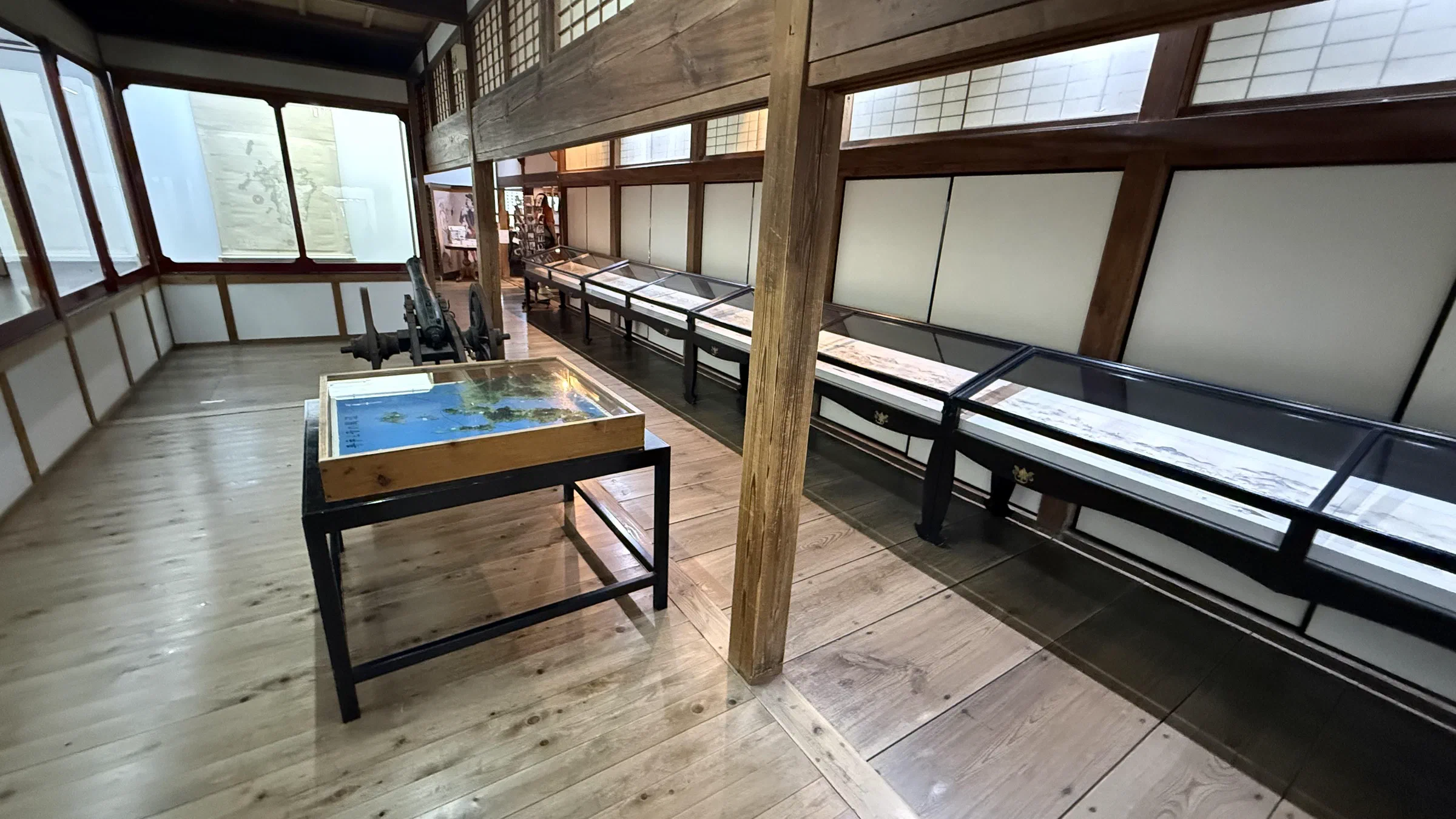
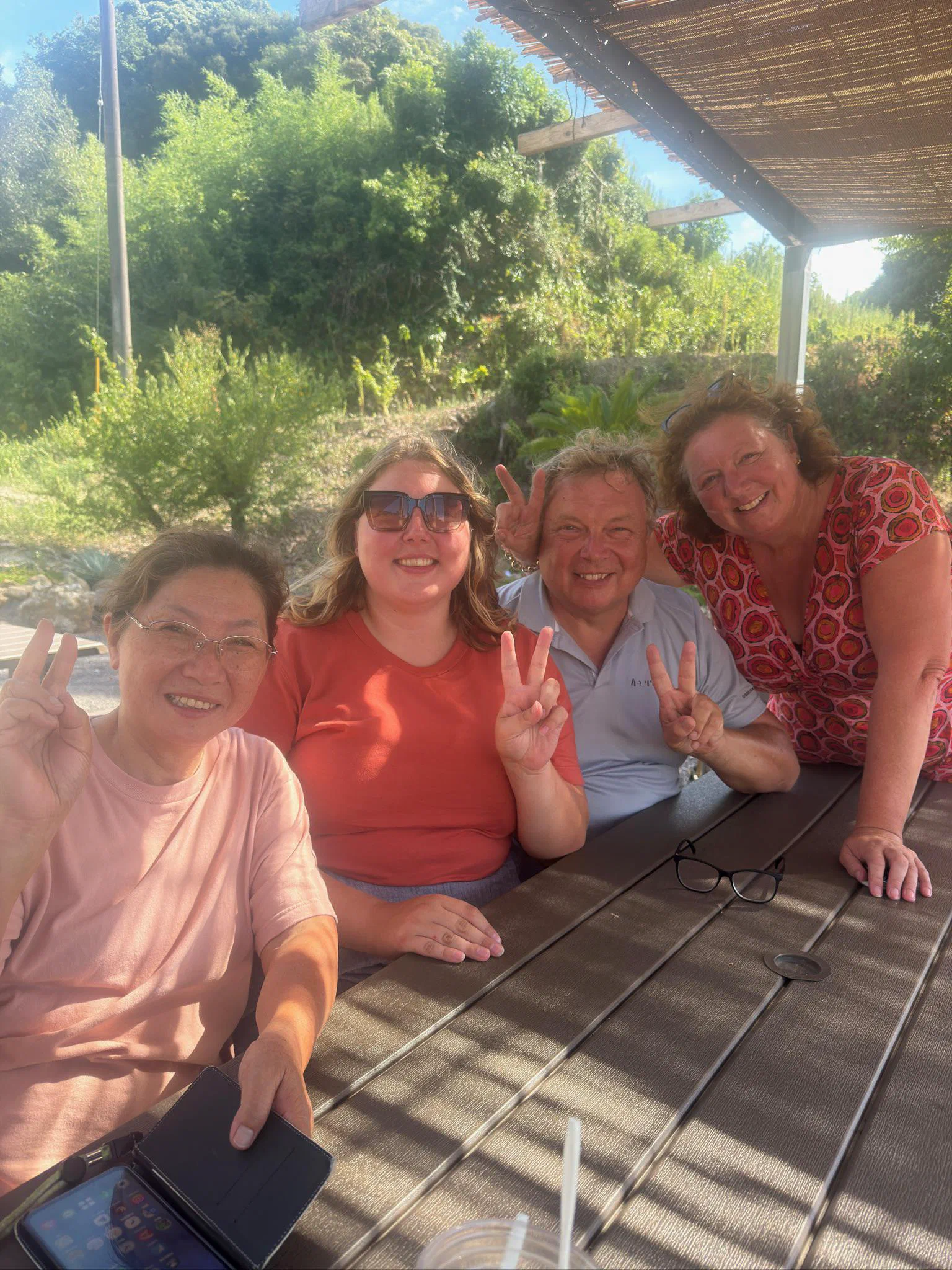
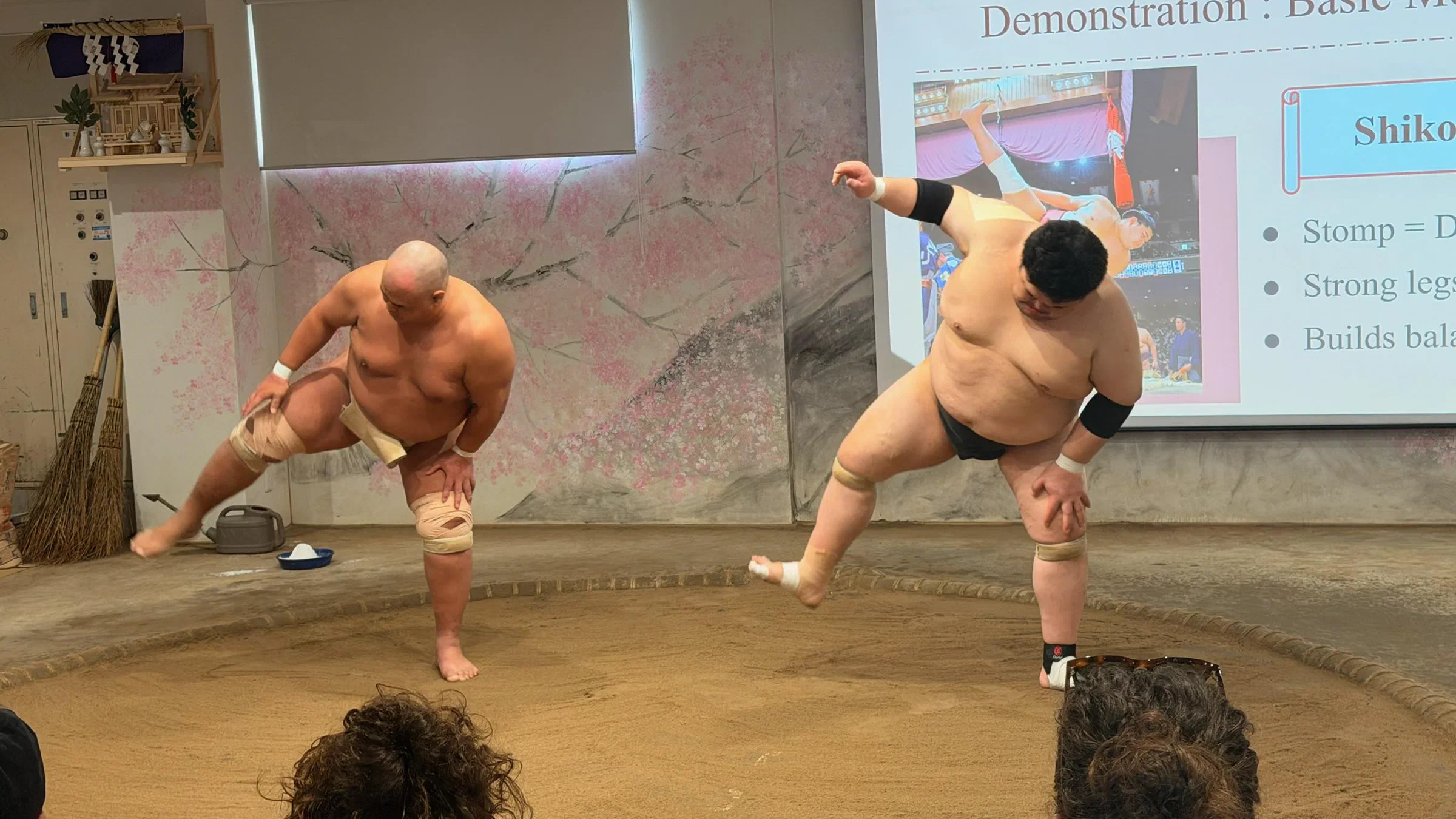
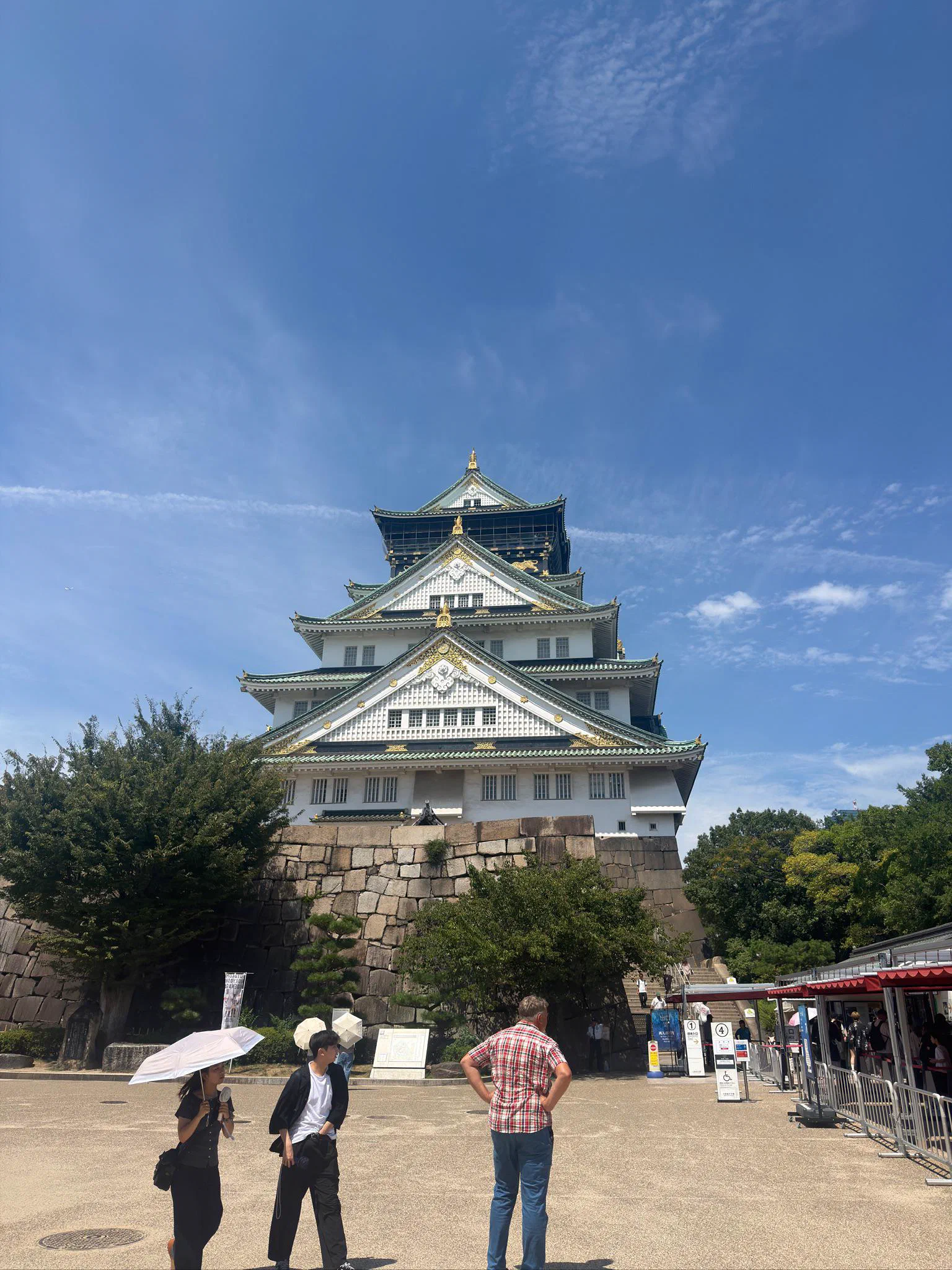
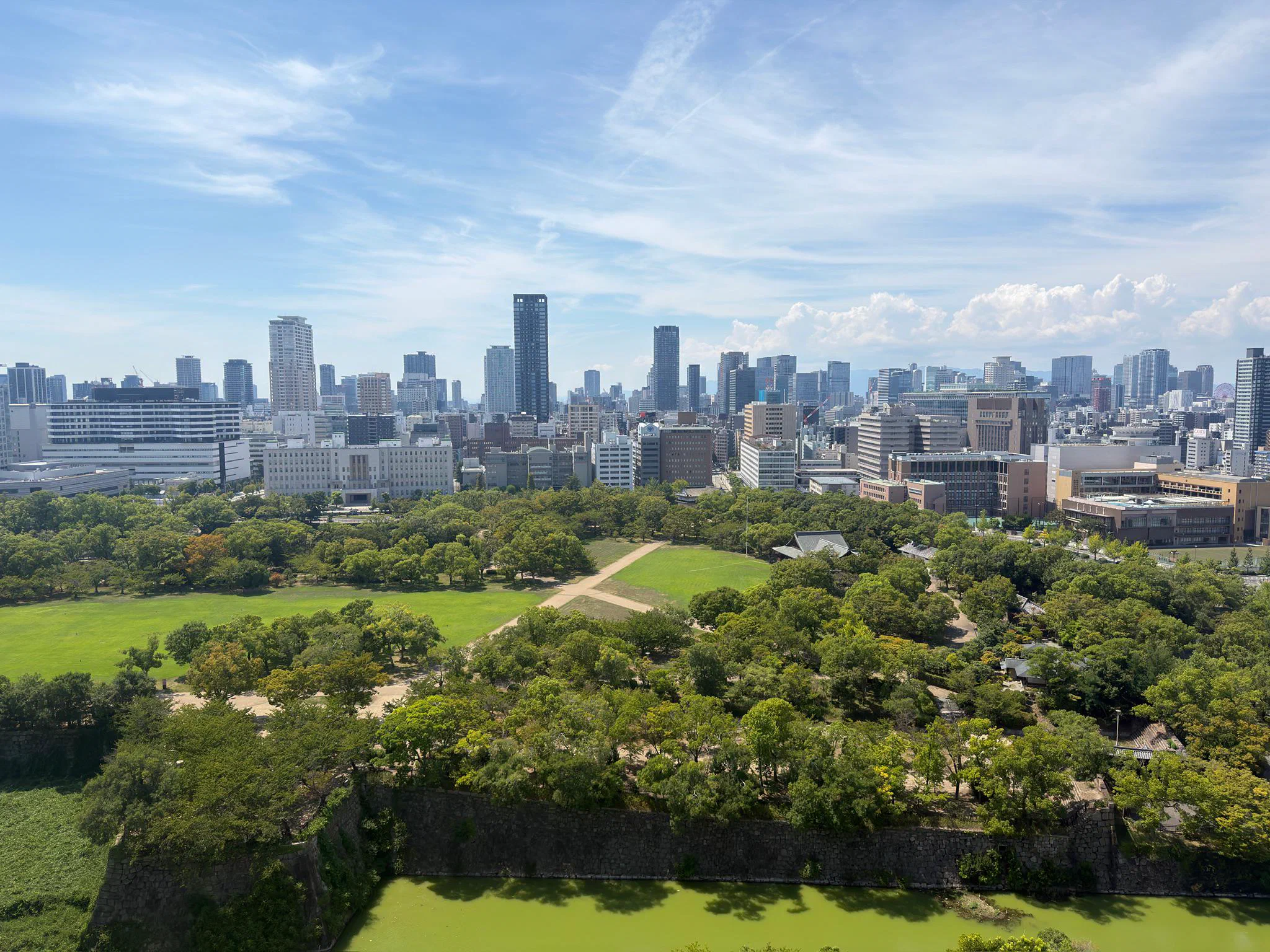
We drive back to Fukuoka along an even more beautiful north coast, with a quick look at Urata, the yard where the boat is going next month. There we spend another day exploring the city before setting off on a proper mini-trip-within-the-trip. The Shinkansen takes us about 600 km in 150 minutes, to Osaka. Here we enjoy the pleasures of a really big city. The electronics district is a bit disappointing, as it’s mostly anime these days. There’s still one shop selling real components, where I pick up a nice little circuit board. We also go to a demonstration by two former sumo wrestlers. Great to see that up close for once. The highlight comes the next day: a visit to a three-star restaurant, Hajime, to celebrate our wedding anniversary a few days early. Wow, what an experience. The food in Europe is on the same level, but the service is truly unparalleled. Earlier that day Marion had a hairdresser-and-pampering day, while Ella and I visited Osaka Castle and the Osaka Museum of History. Same story again here: if something isn’t there any more, you just rebuild it, right? The castle has only been standing since 1932 or so, and that already makes it the longest-lasting of the three that have stood there! Nice enough, but we’d seen a lot of it done better in museums around the Seto Inland Sea.
The next day we visit a few more museums and finish off with dinner in Dotonbori. It starts just outside Namba station, the biggest railway station in Osaka. Underground there are about 400 shops and at least as many places to eat, and that’s before you even get to Dotonbori itself. We’re there early and have booked a table at the conveyor-belt sushi restaurant. By the time we come out, it’s so packed you could walk across people’s heads…
When I got back to Fukuoka, there was suddenly another foreign sailing boat! That’s the first since the Danish boat. They turn out to be Americans (the good kind) who have been living aboard full-time for more than 10 years. They make a living helping other sailors, through seminars, workshops and help with all sorts of things. A kind of Kirk Patterson, but remote. Jamie used to be a sailmaker by trade, so I roped him in straight away to have a look at the chafe damage on the mainsail. In return I’m giving him an NMEA 2000 interface I don’t need any more, so he can carry on automating his boat with Claude. The next afternoon (Wednesday the 26th) he comes over to fix it. Yes, I could have done that myself: peel the backing off some taffeta repair tape and stick it over the top. But it’s good to know that’s enough. Clean it with acetone first, though. I got a few tips and a better idea of his views on the lifespan of laminate sails, definitely useful to know. Of course he also noticed that the boat could do with a bit of an update; the lazy jacks are in serious need of replacing. But since they’re just helper lines that can’t do any real harm, that’s on the to-do list for this month. I also rode the electric scooter to the Konpira office. Well, had it been a bit less hot I could have walked: they’re right next to the marina. We discussed the coming month and exactly when I’ll go to the yard where the boat will be left for five months… already stressing about it…
In the afternoon it started blowing hard, with rain and thunderstorms. At half past five it was over, or so I thought, so I popped to the hardware store to get some yoga mats. I wanted to stick them on the boom where the sail chafes against it. I found something even better: an adhesive film I think they use to give furniture a second life. Super-slippery plastic, so that should do the trick. I also picked up a few other “last little things”, because I won’t come across a DIY store that big again. When I walk out of the shop it’s pitch black outside and the rain is coming down in buckets. So I nip into the liquor store under the same roof to restock on local craft beer. No luck, I had to go through it anyway. The temperature plummeted from 32 to 22, but it was lovely in the rain. Absolutely soaked to the skin, I step back aboard almost laughing. Wonderful, after two months of hardly any rain! Later I read on Reddit that this was the biggest storm (typhoons aside) in at least 9 years.
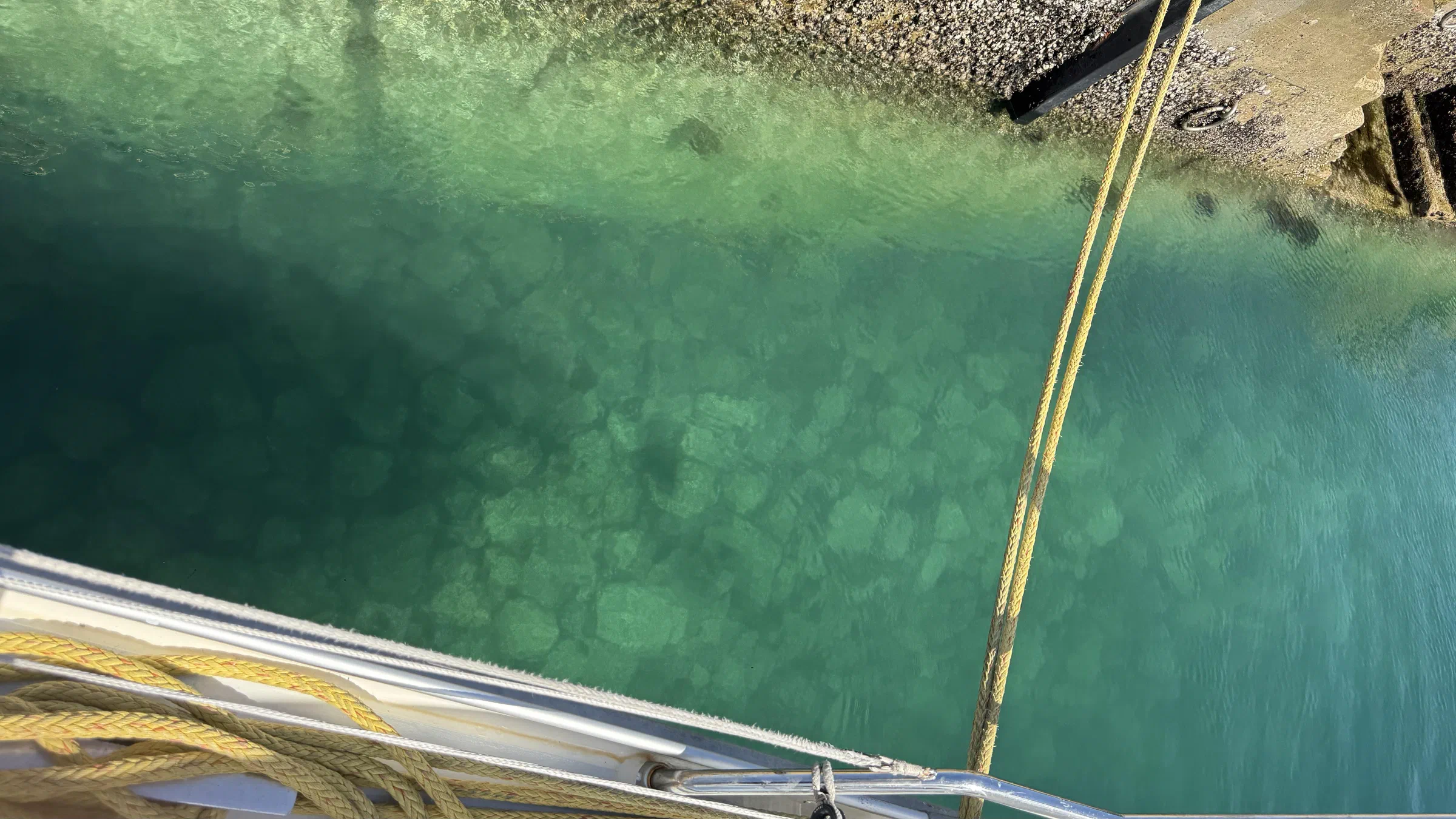
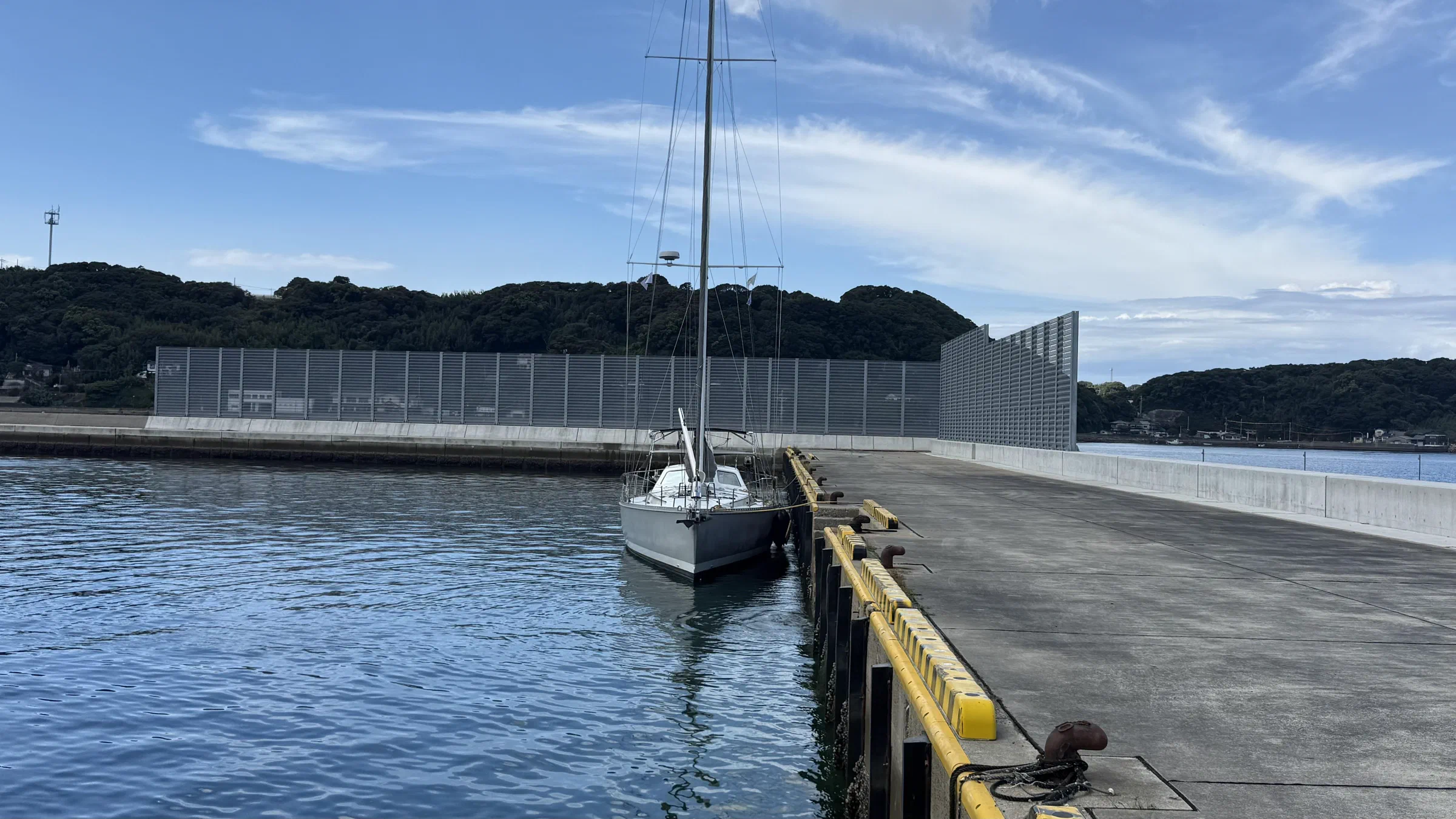
And today, off we go again. Odo is a nice marina, but the water isn’t very clean, there’s a lot of growth on the hull and you can “smell” the big city. Since there might be more thunderstorms today, I’m heading for another harbour, Yobuko. On the way I try to clean the propeller, but the gearbox turns out not to engage astern at all any more. It had been getting a bit worse over the last few weeks, but since the bow thruster has also packed up, I really do need to be able to go astern. So up went the sail (2 knots of wind…) and out came the toolbox. After working out how it’s done, it turns out to be very simple and the Bowden cable is quickly adjusted. I think it has stretched a bit over the years with use. Motoring isn’t going all that well either; the propeller is clearly encrusted with critters or something. At two o’clock I’m in a neat little harbour basin where I’m the only boat. I quickly grab some fish at the shop: skipjack tuna caught today and another white fish, as sashimi. Super fresh, delicious. Then straight into the water, and sure enough, the propeller is completely caked in a white, chalky sort of substance. Tomorrow I’ll see if the fish market is open; apparently octopus sashimi is the thing to eat here.
Comments