The Japanese "Inland" Sea
This page was machine-translated. Read the original (Nederlands)
From 15 July up to and including yesterday, 13 August, Marion, Ella, Arnold and I camped out on the boat, all four of us at the same time, for the first time in years. Arnold stayed until after Ella’s birthday and then flew home via Korea.
The ladies set up a joint trip on Polarsteps, where you can follow what we get up to day by day. Reading it back, you’d almost think it was “Groundhog Day” every two days for four weeks straight. That needs a bit of background. In Europe, but elsewhere too, sailors are used to sailing very much on a whim. You leave when you feel like it and arrive whenever you want. Then you look for a free spot or, if it’s during office hours, you report to the harbour master. In the Netherlands, and Scandinavia too, booking ahead isn’t the done thing, or even possible. After all, we just keep rafting up visiting boats until you can literally walk from one side of the harbour to the other. With our somewhat larger boat I’ve developed a feel for where booking is actually necessary. From the corner at Lisbon southwards, for example: the marinas are pretty full and have little room for visitors, or that room has already been taken by people who started out as visitors but somehow never left…
Not so in Japan. Even the interesting Umi no Eki often ask you to book at least three days in advance; wow. And preferably in Japanese. And where exactly are you supposed to go? That’s often not easy either. In the somewhat rougher places more on the “outside” you could probably wing it, but we only had a month for an area where you could easily spend years. There is just one rather sparse pilot guide. So we asked Kirk Patterson, our agent, to plan us a nice route. The rhythm therefore went like this: Kirk sends us details one or two days ahead about where we’re heading next. That includes the rough route to follow, because we don’t fit under low bridges here and there and sometimes have to make significant detours. Also a picture showing where to moor, and at which hotel or tourist office to pay the harbour dues, etc. But also: what time we need to leave and what time we’re expected. After a few times we realised this wasn’t for nothing: there’d be blokes standing on the pontoon who’d already been waiting for us for half an hour… Oops. Then, because it was 35 degrees in the shade, a little rest under the Bimini to recover from mooring up, find a breeze if there was one, have a nap, and then into the village for a drink and dinner. Next day off to the (usually present) special sight(s) of the island, then another bite and a drink, and the day after that on to the next harbour. In this way we visited the following islands and harbours:
Mitarai (just a sweet little village)
Ohmishima (beautiful shrine with altar, with two museums)
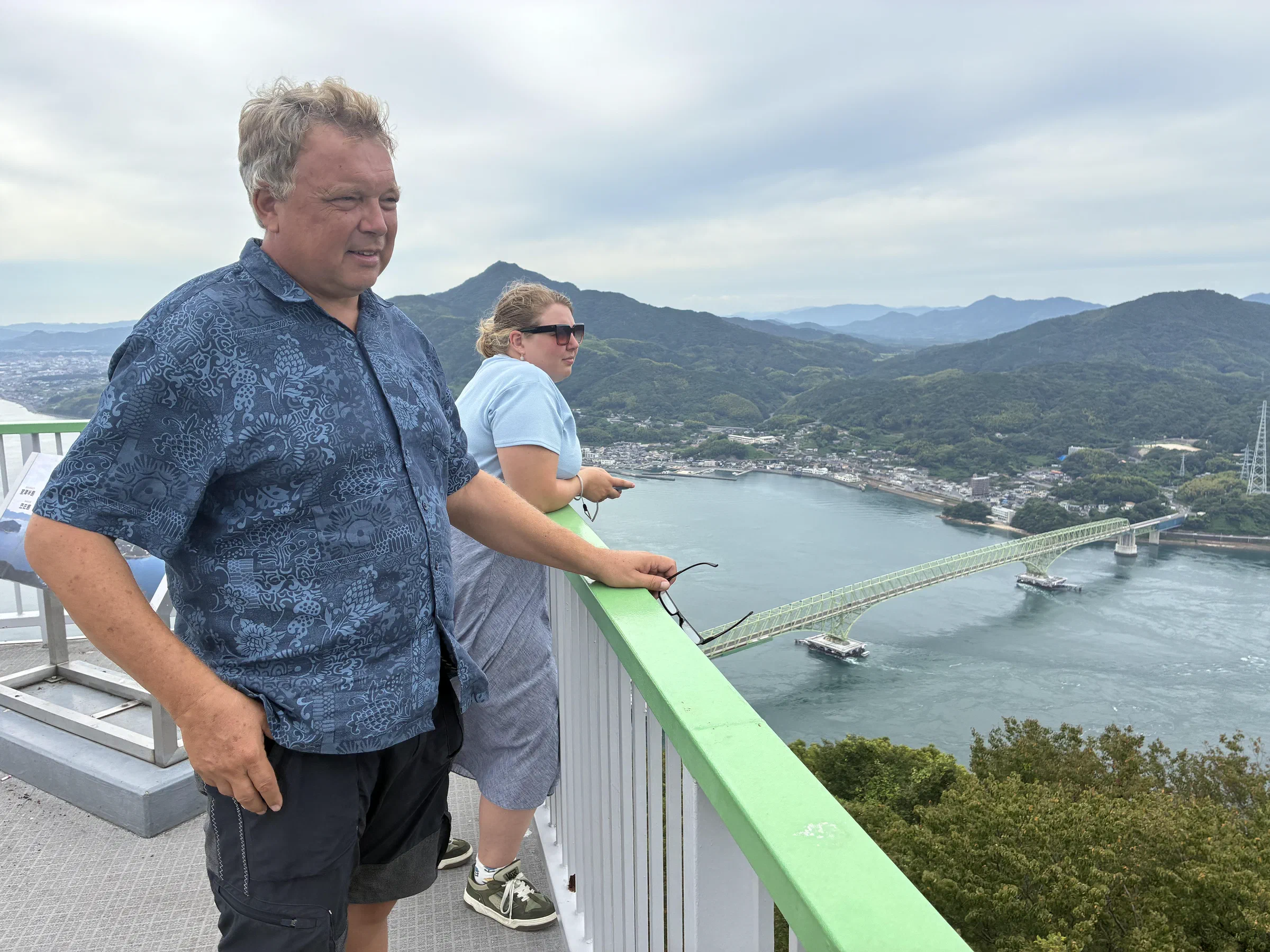
Onomichi (more touristy town with a cable car for a gorgeous view, 50 altars and a (closed) museum)
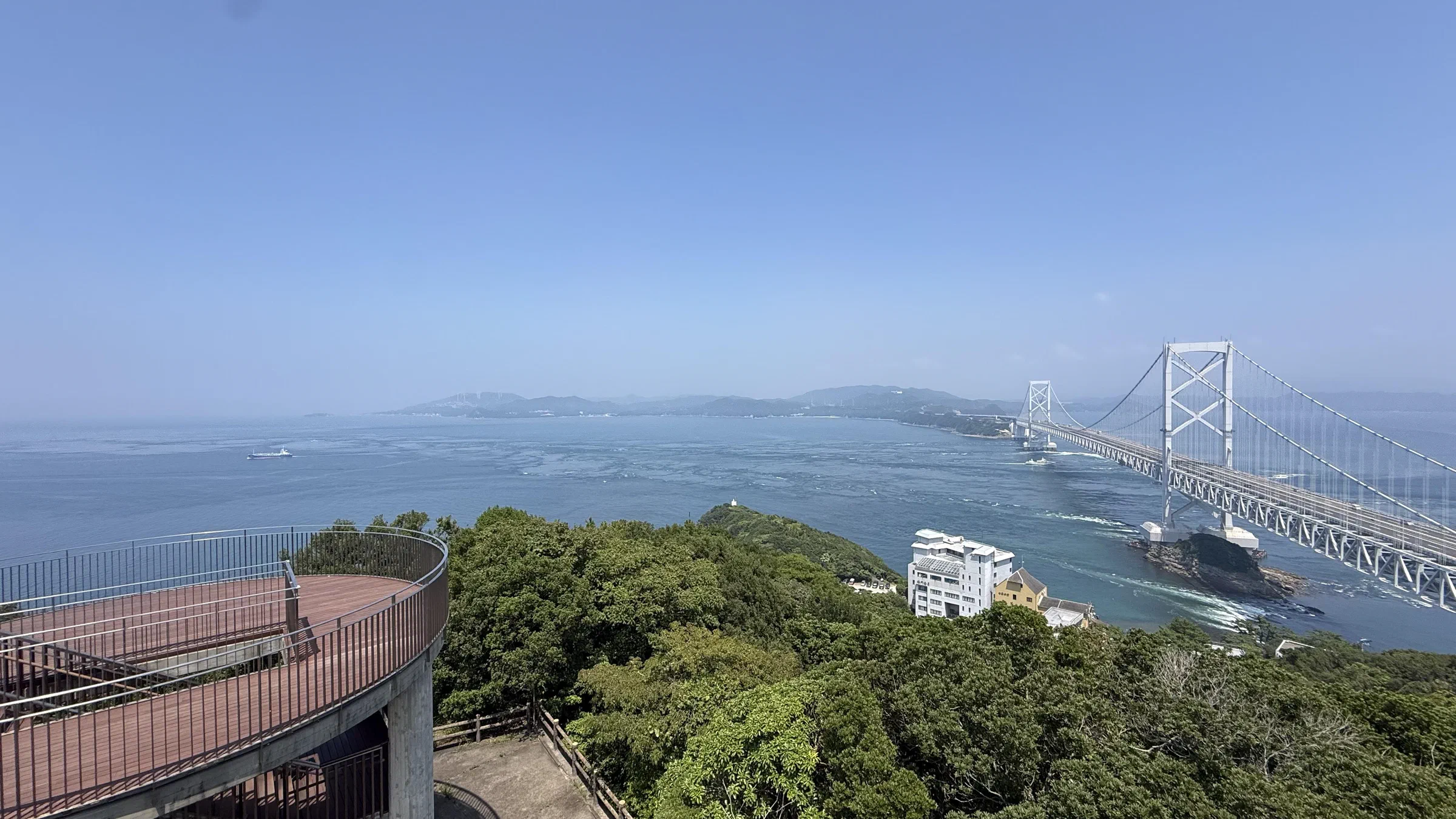
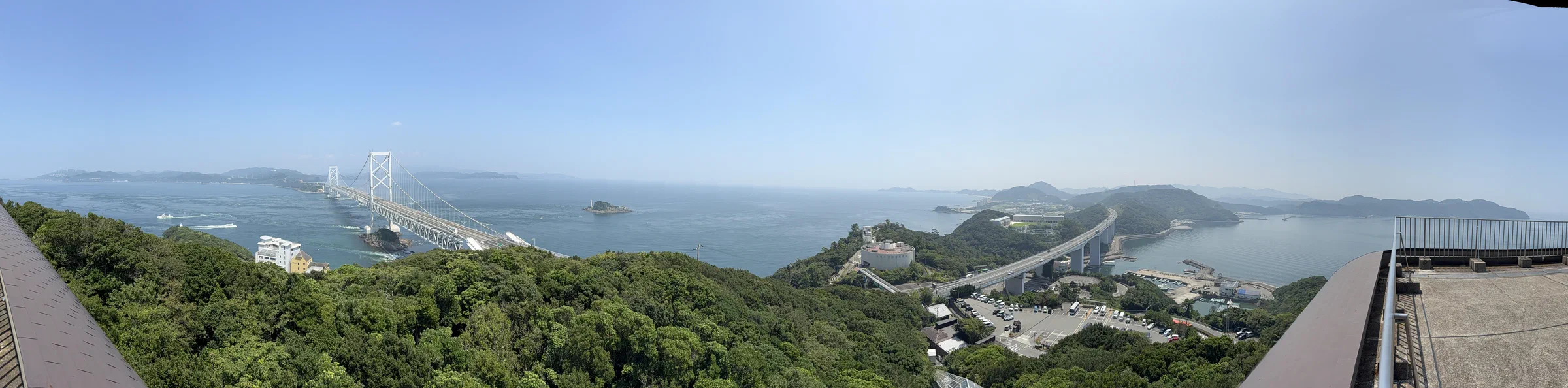
Nio Marina (hired a car and went to see the Naruto Strait)
Kurashiki (ferry to a little island with a beach and a micro beer festival)
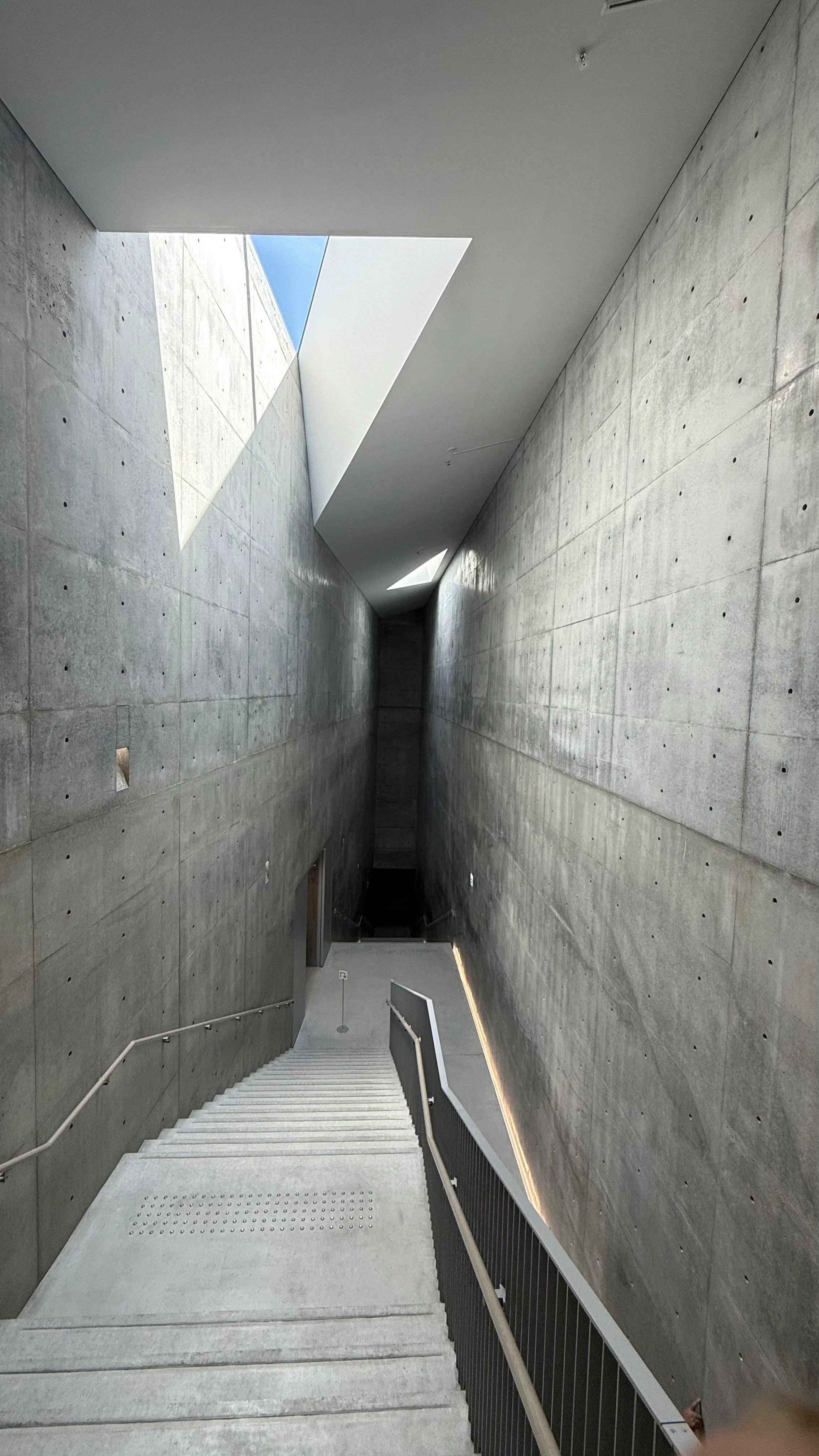
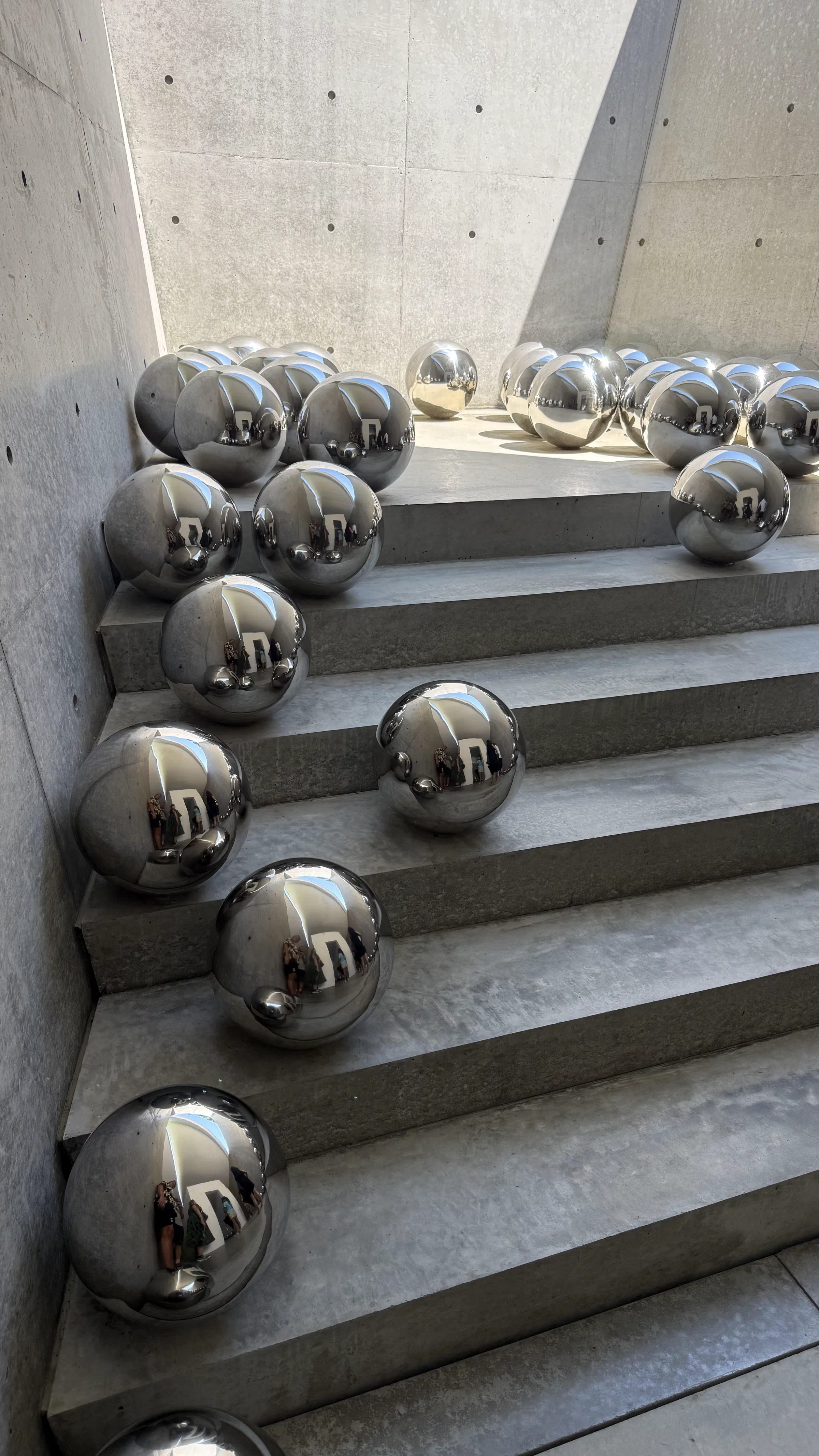
Naoshima (island absolutely packed with museums, and artworks just out on the street)
Takamatsu (big city with a museum of old houses)
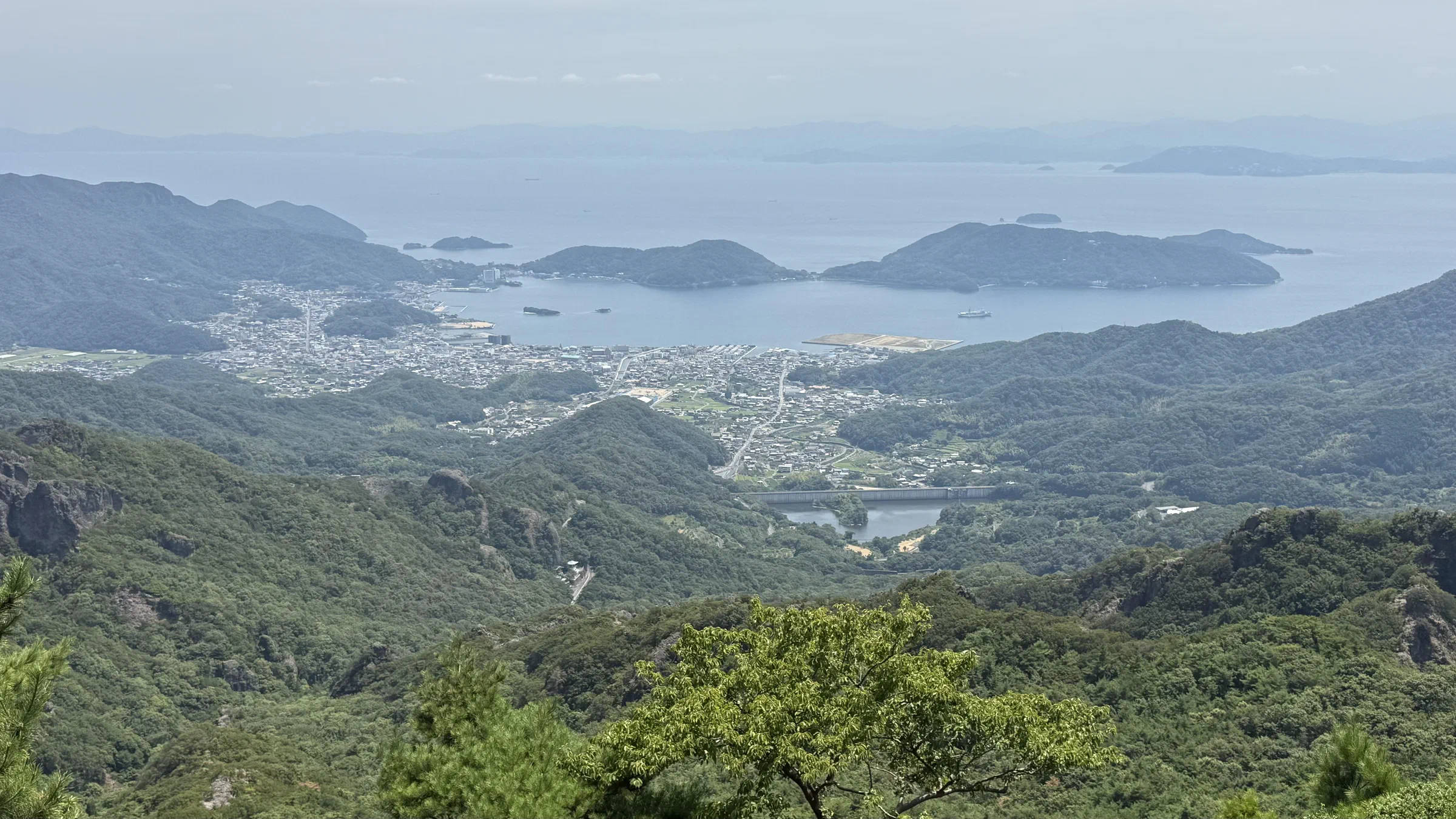
Kusakabe, Shodoshima (stone quarries, tour by car)
Kitaura, Shodoshima (stone quarry museum)
Shiraishi (beach with a Hawaiian bar; sadly jellyfish and the bar was closed. The Japanese bar was open though, and they even drove us home in their car)
Yuge (Umi no Eki with lots of facilities, even rubbish disposal for 30 yen a bag)
Kazu, Kurahashi (Jonathan came to install Linda, best beach of the lot, nice museums)
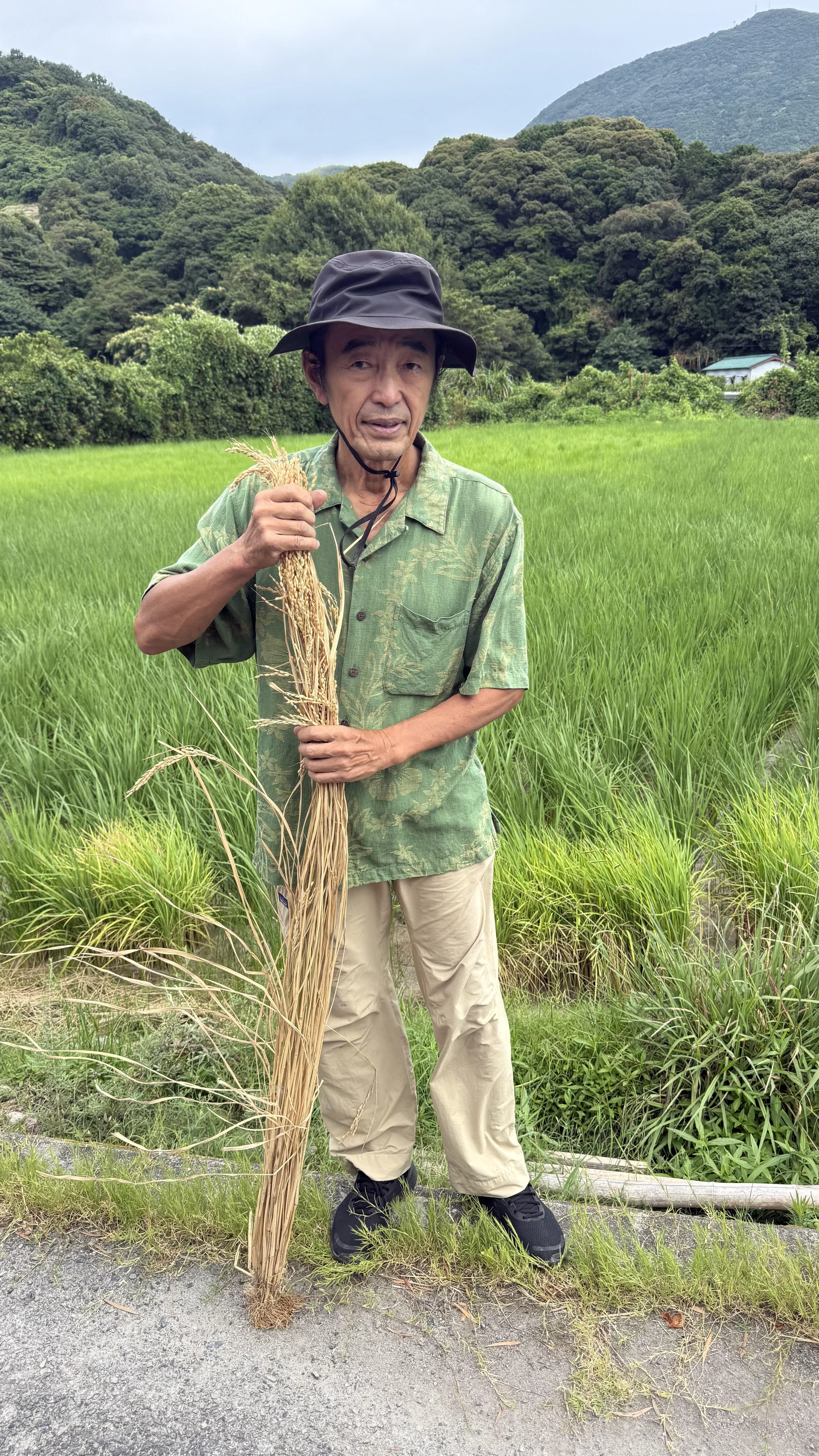
Agenosho, Suo-Oshima (tour round an organic farm, a friend of Kirk’s)
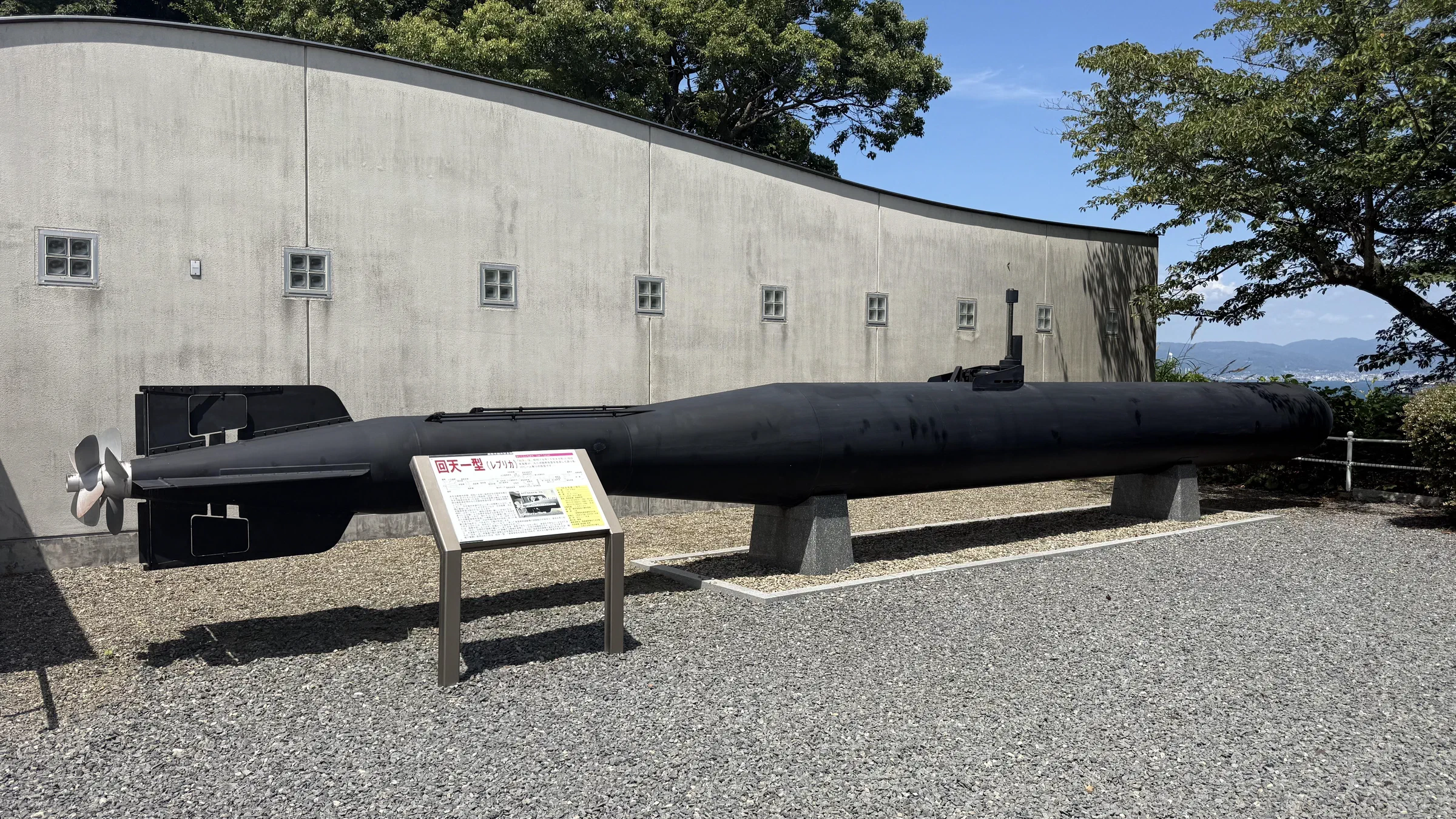
Otsushima (museum about the Kaiten, kamikaze submarines)
Chudo (at anchor)
Shin-Moji Marina (at anchor, pre-positioning for the Kanmon Strait)
Quite a list, then. There was one bigger city among them, Takamatsu, which also had an airport with a connection to Seoul. That suited Arnold nicely, as he wanted to go home via a friend in South Korea. A whole welcoming committee was waiting for us here, because we were moored at a new quay intended for superyachts. So we’re probably the smallest yacht that will ever berth there, and with our length she didn’t lie all that well either. Unfortunately we were too big for the marina, and as you’re starting to notice: if the limit is 15 metres, then the limit is 15 metres, and with 17 metres you do not get in, not in Japan.
People are generally very friendly and helpful by nature. Conflict isn’t really the done thing here, and the way that works is simple: everyone sticks to the rules. So when you go out, you take your rubbish back home with you. The fact that this also applies at most Umi no Eki is less convenient for us – we can hardly save it all up and then take it on the plane. So you do have to adapt a bit. Along the way we ran into a Danish boat twice (in Hiroshima and Naoshima), “Thor”, a Garcia 52, who does things differently: he simply acts as if he’s in Europe. So naturally he was lying in our spot in Naoshima. Since there’s only room for two pleasure craft there, we told him, kindly but firmly, that we had booked. But he was welcome to raft up alongside us. We’d barely made fast when a very, very angry lady from the tourist office came along, arms crossed (the sign for “no”; “no” is “iie” in Japanese, but you never hear anyone say it, that’s rude) and “no possible”, “go away”. So off he slunk. Try the other side of the island, we suggested. And sure enough, we ran into the same boat there the next day. Interesting story, but he thought having an agent was nonsense. Well, there you go. But he hadn’t grasped why you go to Naoshima in the first place: the many art museums. Diederik had tipped us off about them on our previous trip to Japan by plane; truly stunning, and in a remarkable setting. Because it was high summer and therefore too hot, it was even possible to buy tickets two days in advance. Even Kirk hadn’t expected that.
Also because of the heat, we think, it was very quiet everywhere. Not just in the villages, but on the pontoons too. In total we’ve now come across 3 motorboats, 3 sailing boats and one Dane. And countless little fishing boats, delightfully in the way. And then you steer around them and that’s exactly the moment they shoot off at full tilt. There are trawlers, but most are semi-planing boats with fairly noisy big Yanmar diesels. In any case lots and lots of commercial shipping, with small and larger coasters. Many still with plonk-plonk-plonk diesels. You only see tourists in a few places; for us mainly in Onimishi and on Naoshima. There we even sat in a restaurant with other Dutch people, and met even more of them! Otherwise lots of Japanese, Chinese and Koreans. So you don’t come across many European tourists in these parts.
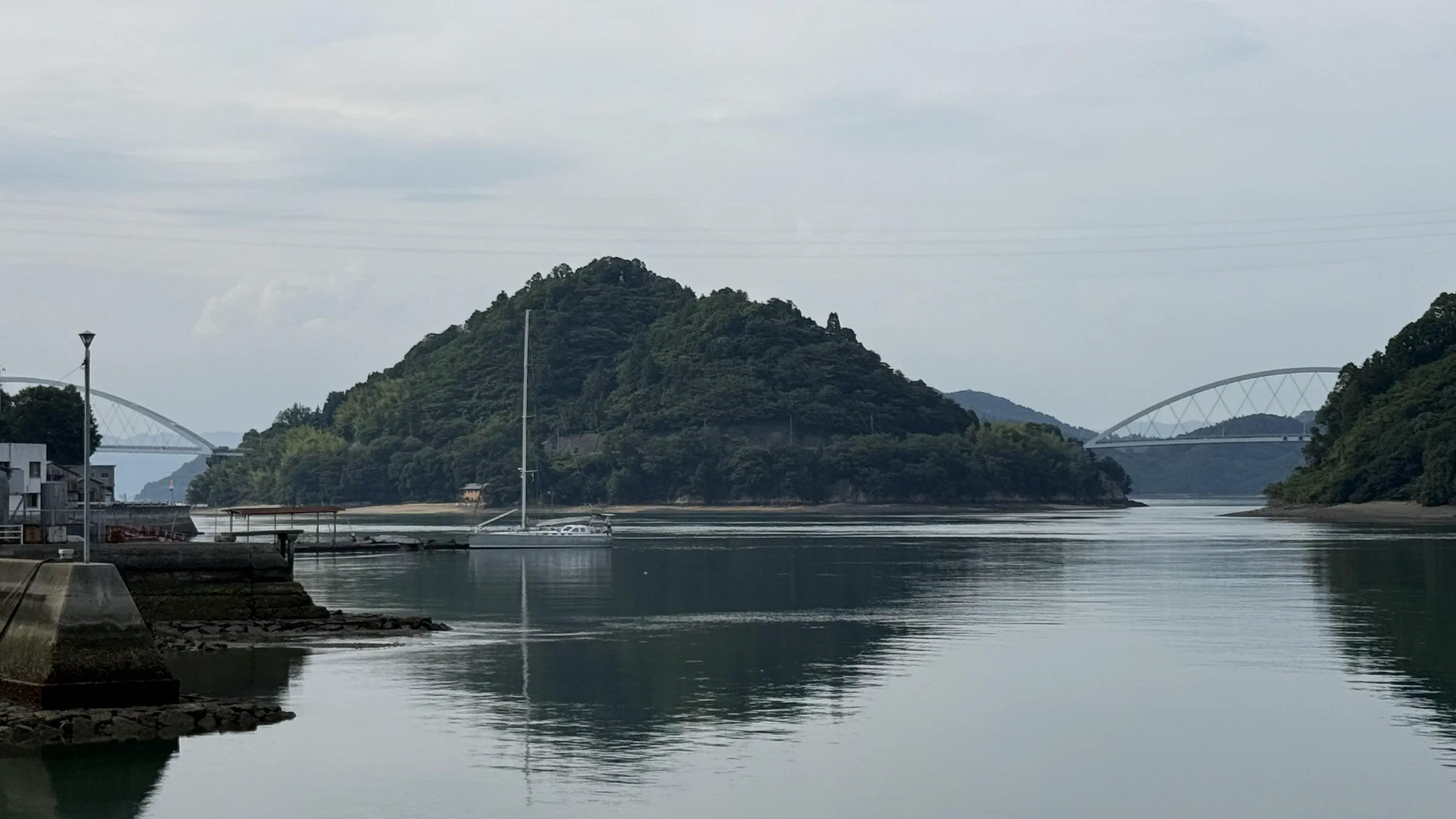
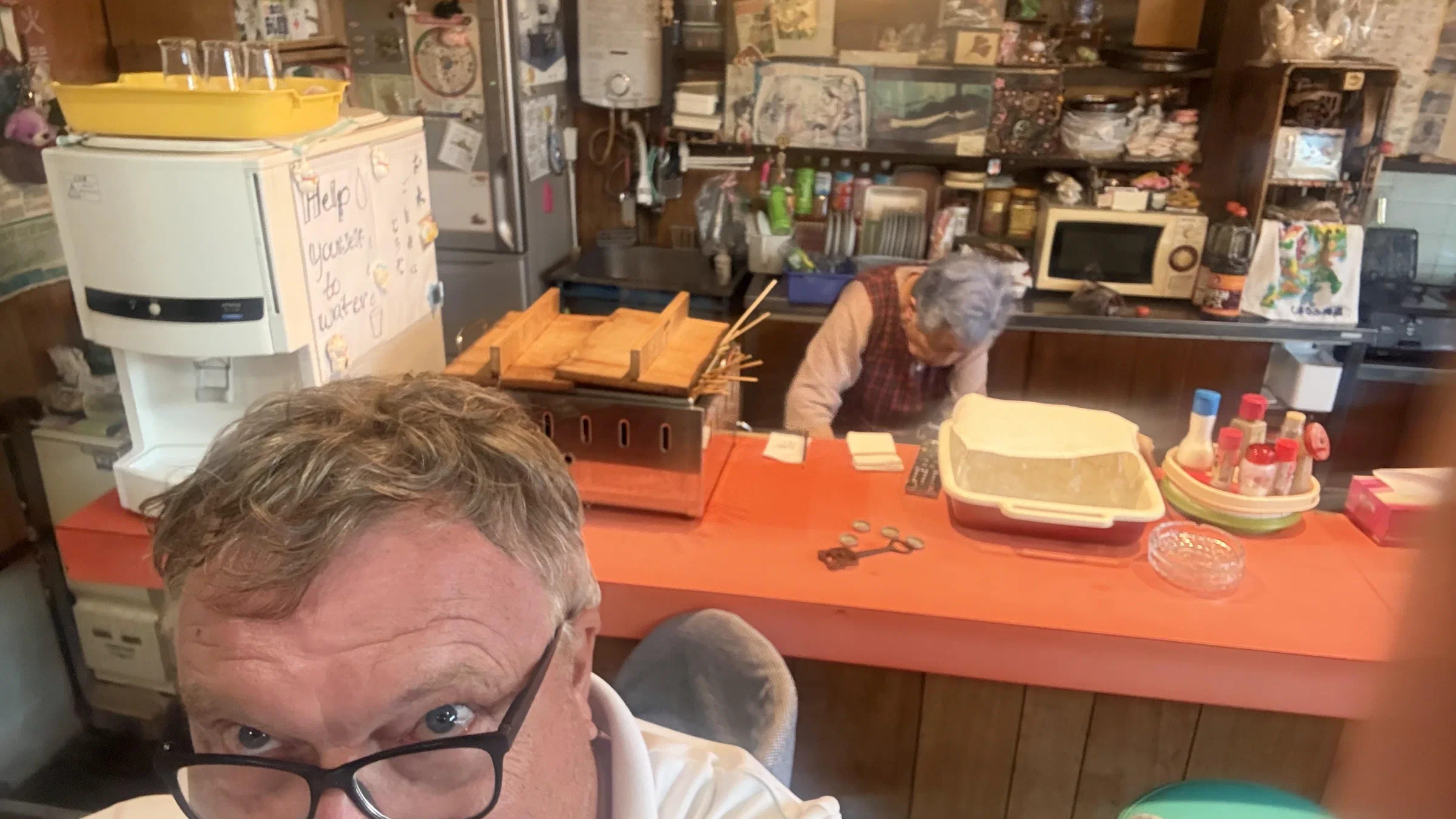
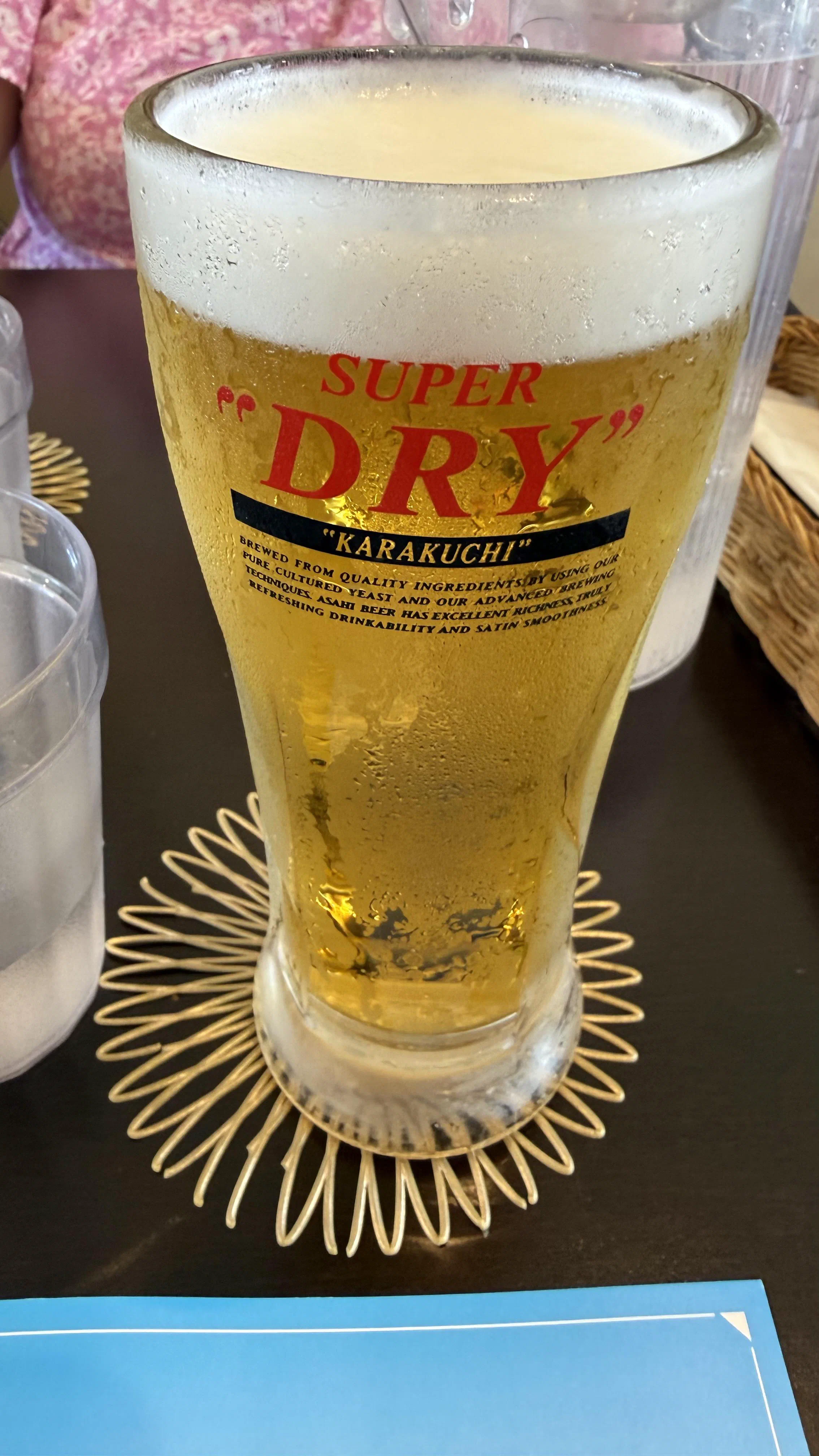
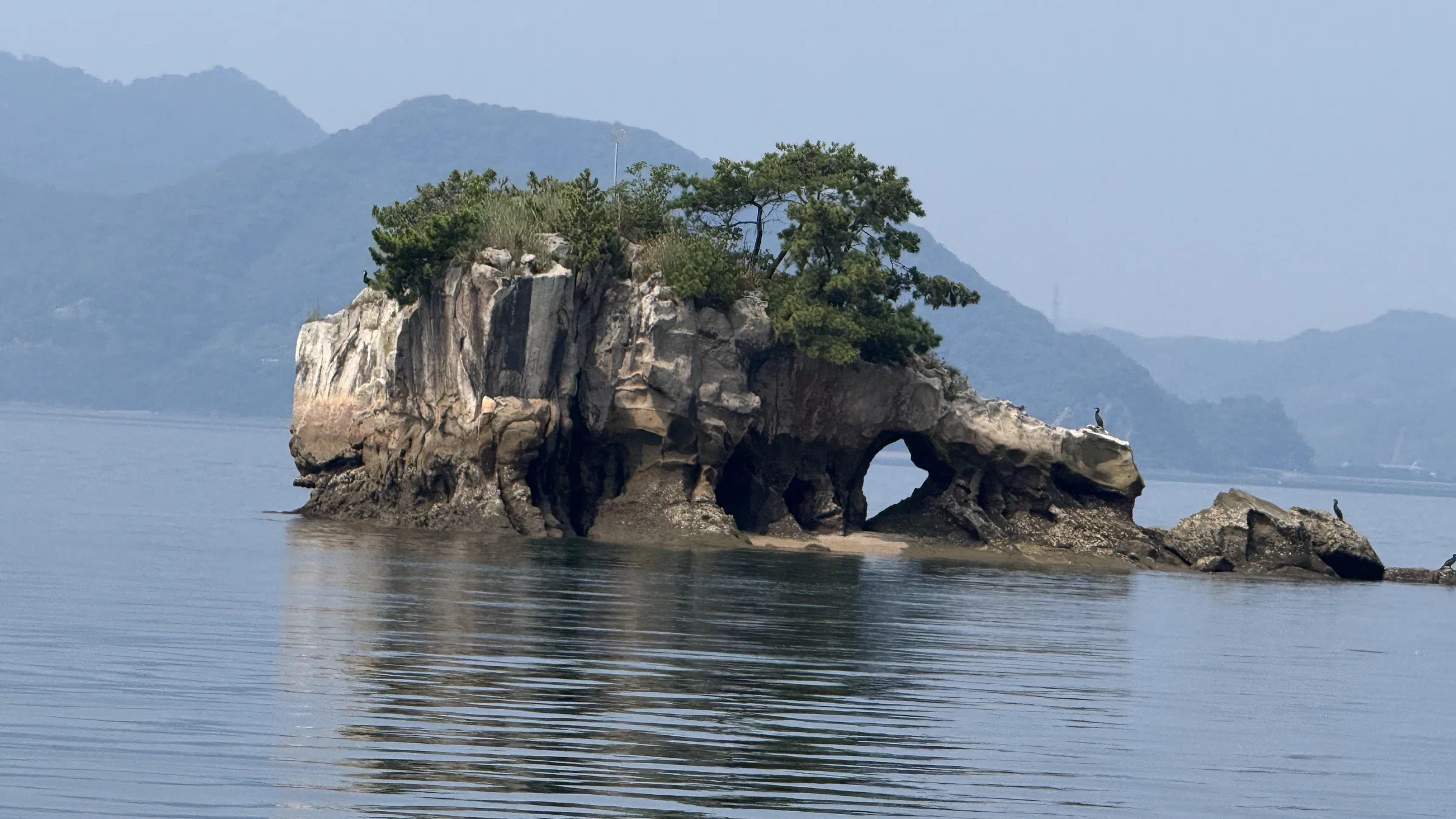
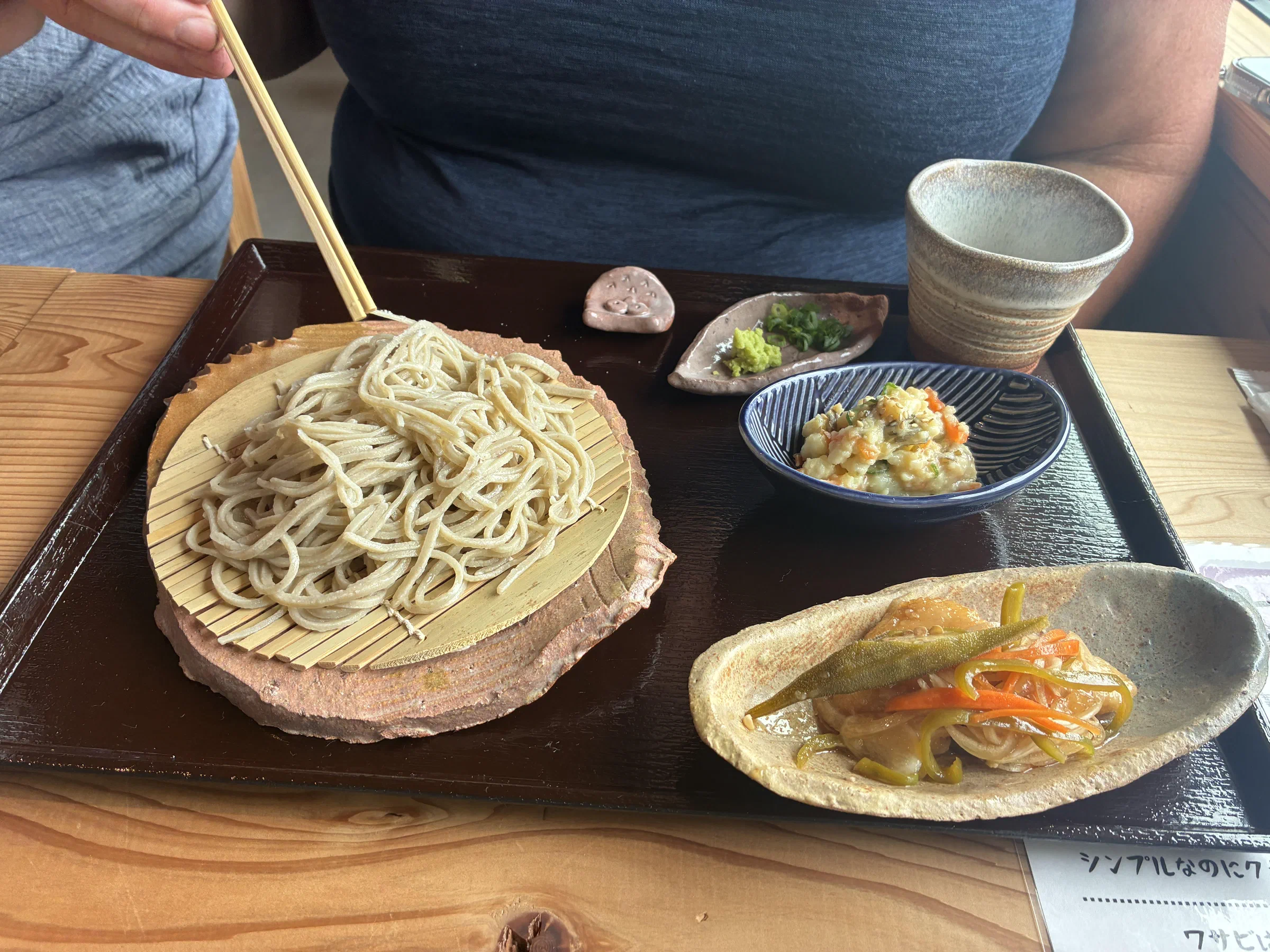
We found the landscape very attractive, something between the Norwegian fjords and the Swedish skerries, with better and cheaper food. That last bit really is a thing here: I’ve never seen a people that cares so much about food. Even the French are amateurs by comparison. Although they do have a soft spot for France: “French” cafés everywhere, but then serving noodles or some other Japanese dish. We haven’t had a bad meal once. I did get a dirty glass one time, but the lady serving us was practically falling apart with rheumatism, could barely lift the glasses, and spoke not a word of English, so I just let it be. The beer was good, mind you…
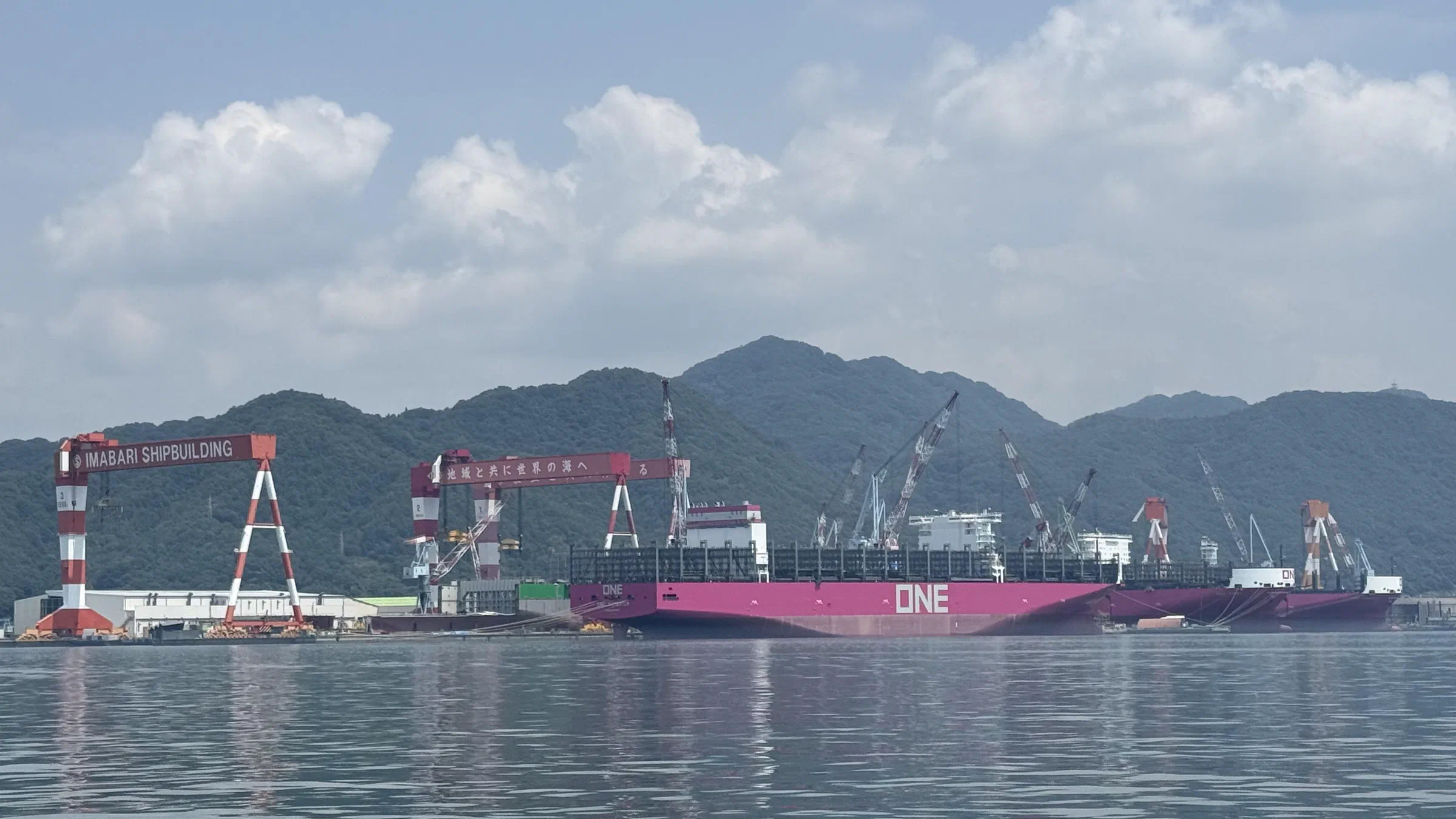
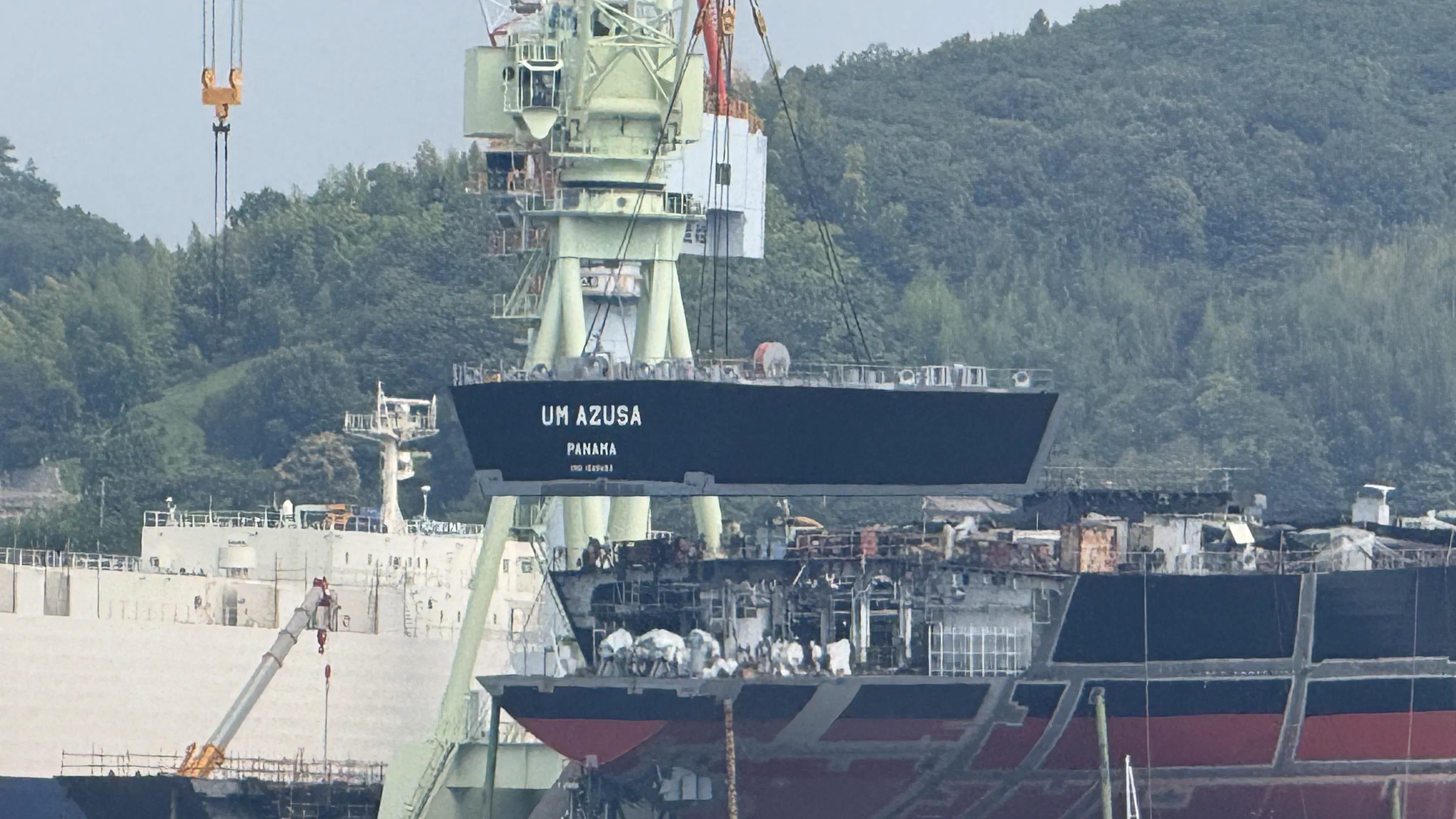
You also encounter every state of repair and disrepair. From ultra-modern, with the famous toilets with built-in bidet function, to the good old “hole in the floor”. But even when it’s old and decrepit, it’s usually still kept spotlessly clean. Old brooms next to a house? Yes, but neatly lined up in rank and file. Lots and lots of shipbuilding, including really big container ships, but also dozens of smaller and larger yards. The villages are emptying out, you can tell: everyone young moves to the city for an office job (and has too few children, so the population is shrinking…)
The yen is fluctuating a bit against the euro at the moment, but we’re working with 180 ¥/€, and that gives us a very attractive price level. A bottle of soft drink from a vending machine (there’s one every few hundred metres here) costs ¥ 150-200, so € 1.10 at most. A decent glass of beer in a little restaurant ¥ 600 = € 3.30. A “set menu” (a full little meal) for lunch ¥ 1500 = € 8.16. Mooring fees for our 56-footer range from free to, often, ¥ 4000 = € 14.63. Hiroshima was at “European” prices, though: € 55 a night.
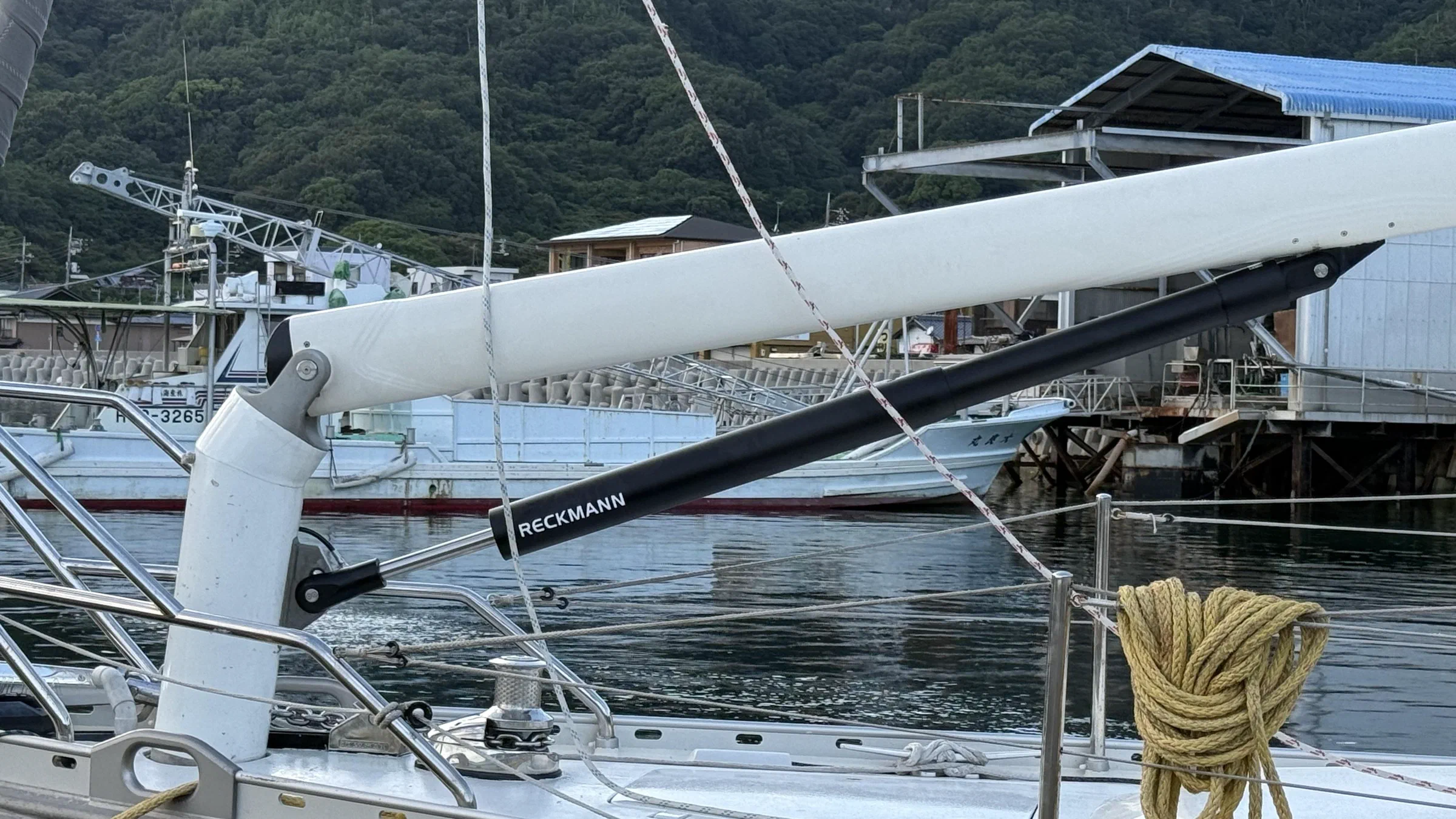
Also, last week Linda, the new hydraulic cylinder, was finally installed. Jonathan turned out to be an American handyman who thinks in solutions. He lives on the island where we were, bought a house there with his Japanese wife for € 1,900 … and has now bought two more while he was at it, to rent out to tourists. Three houses for € 10,000.
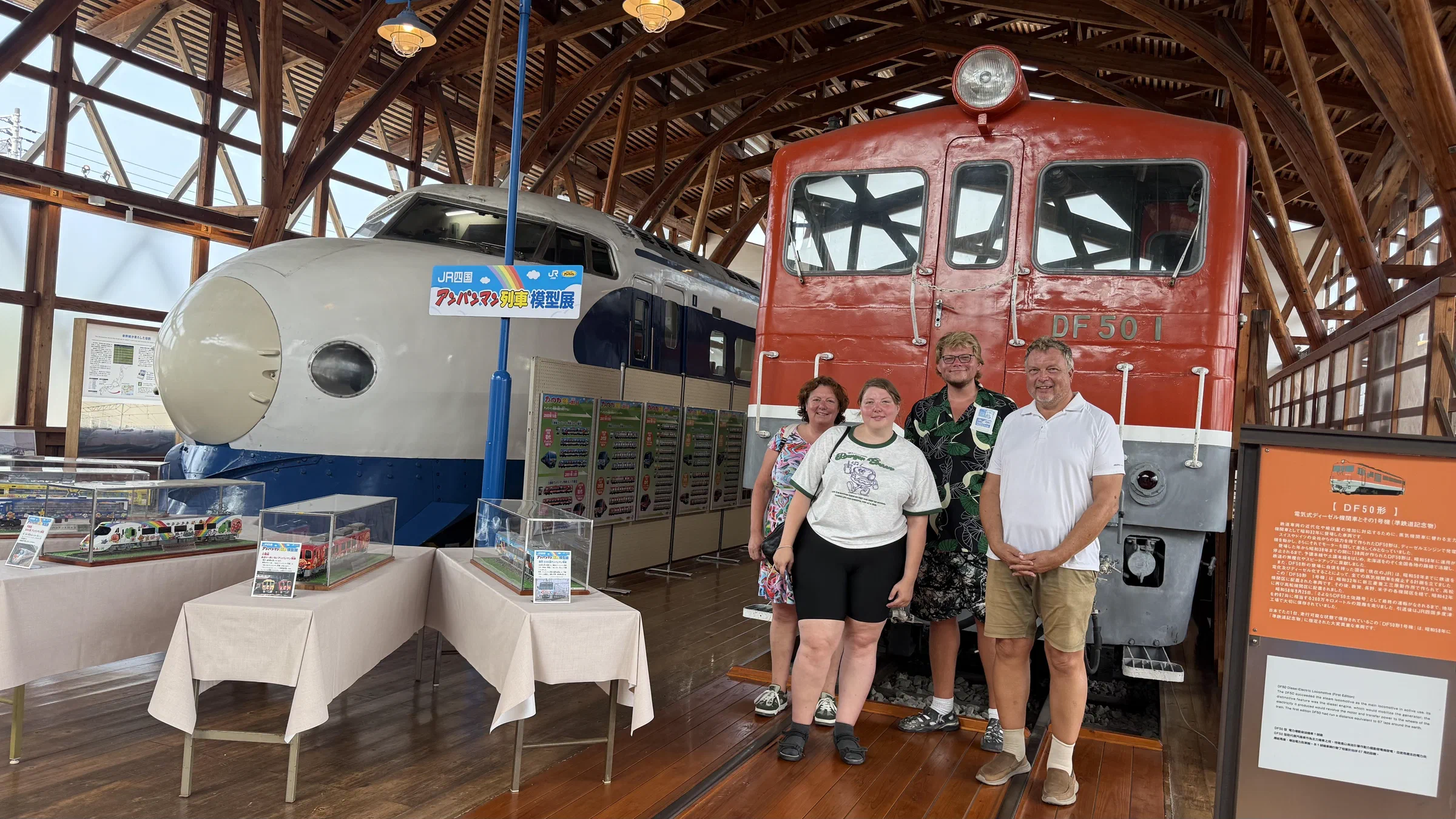
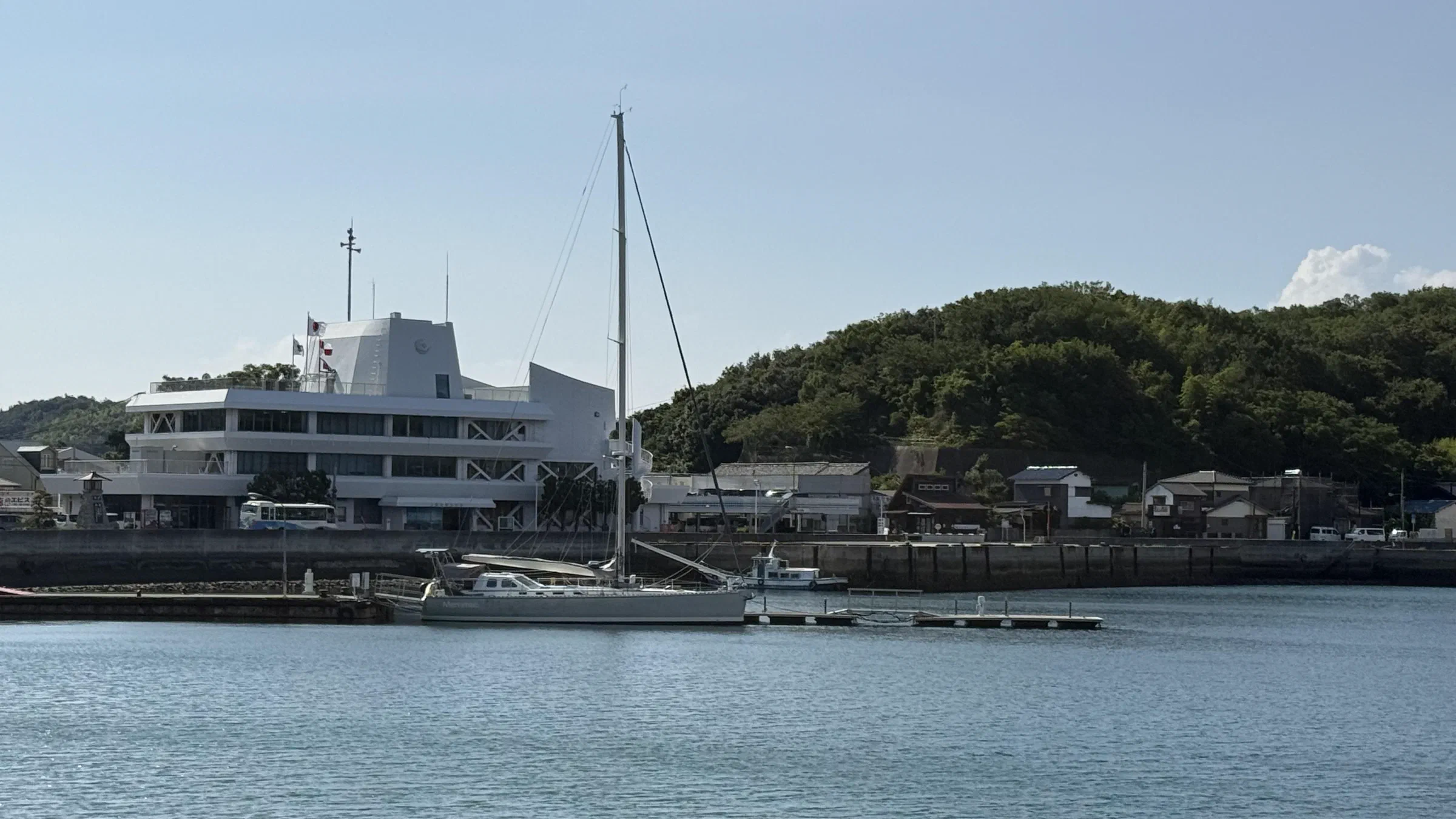
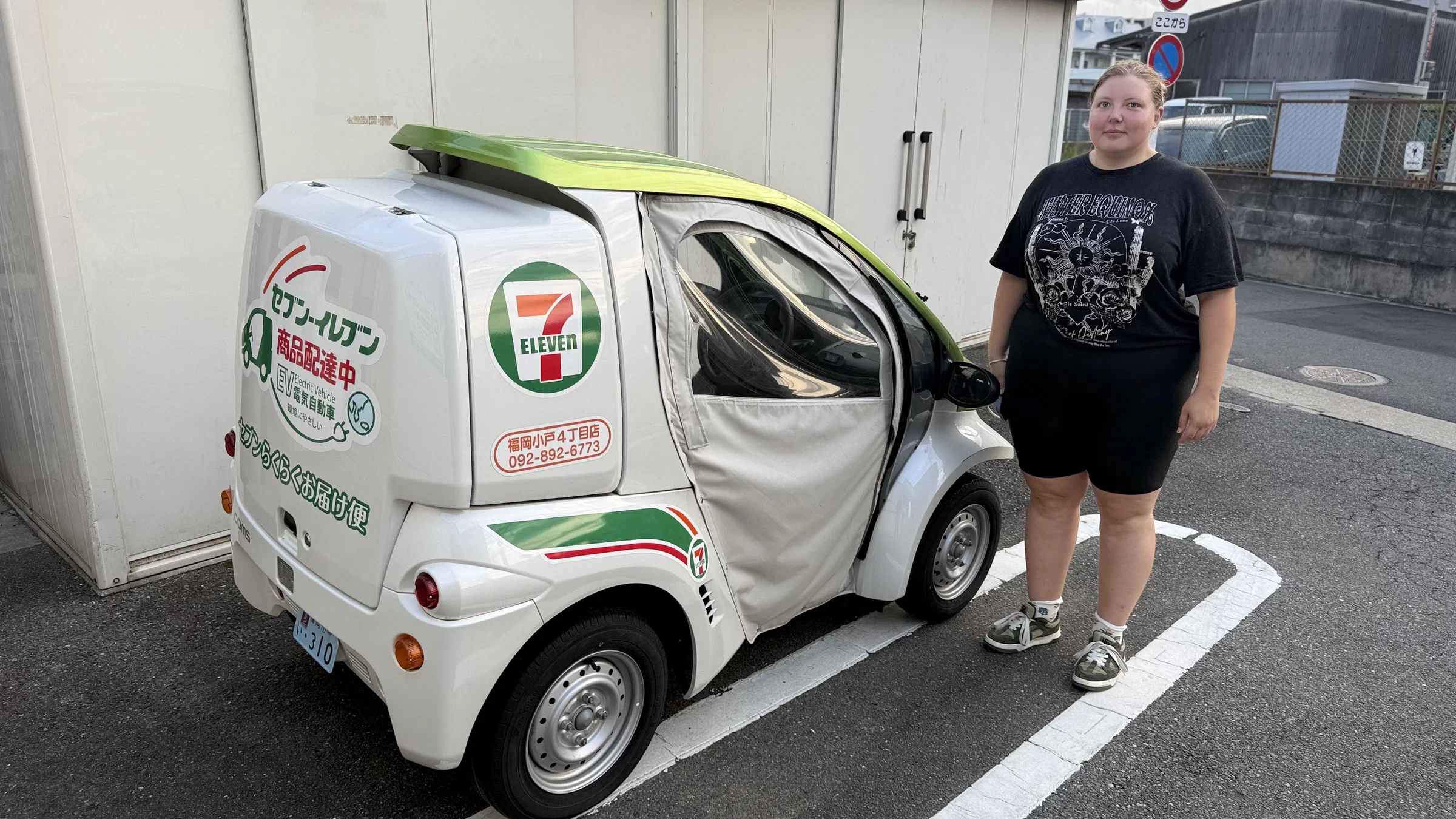
To finish off, some atmospheric photos…
Comments