Last week in Martinique, and the Îles des Saintes
This page was machine-translated. Read the original (Nederlands)
Ah yes, the parcel. It’s now three weeks later as I sit down to write again, so I first had to read back to see where we’d left off. At the time it all sounded very simple. It was a Thursday when we sailed to Le Lamentin, and we’d get a call once everything was sorted and we could actually come to the DHL office. That call came on Friday at half past three, and the office closed at four. So that wasn’t going to happen before the weekend. We weighed anchor, headed back towards the marina where we’d been before and dropped the hook there. Since we had another weekend anyway, we rented a car to do a bit more shopping. In the evening we went to the restaurant at the marina for a bite to eat. Over drinks on the terrace beforehand we got talking to John, an American waiting for his wife. She was on board with her daughter and her family, doing the big crossing. That was supposed to take 3 weeks, but due to circumstances she’d now been gone for 7. We invited John to join us at our table and asked whether he’d like to come out with us the next day. He clearly needed the distraction, because every few minutes he checked his phone to see if they were making progress, even though their ETA was still 3 days away.
The next day we set off to explore the west coast a bit more. There’s a road along the coast that peters out at some point, just like in the north, so a nice route. When we picked up the car we met a German man who’d arrived in the marina the day before. He’d had some trouble calling the marina on the radio and Kees had helped him out. We had a nice chat, stayed in touch a few more times afterwards, and Kees even went over for a beer on his boat once.
Our first stop was a rum distillery. It was Saturday so nobody was working, and it wasn’t as nice as the one we’d seen before. It did have a magnificent distillation column, though.
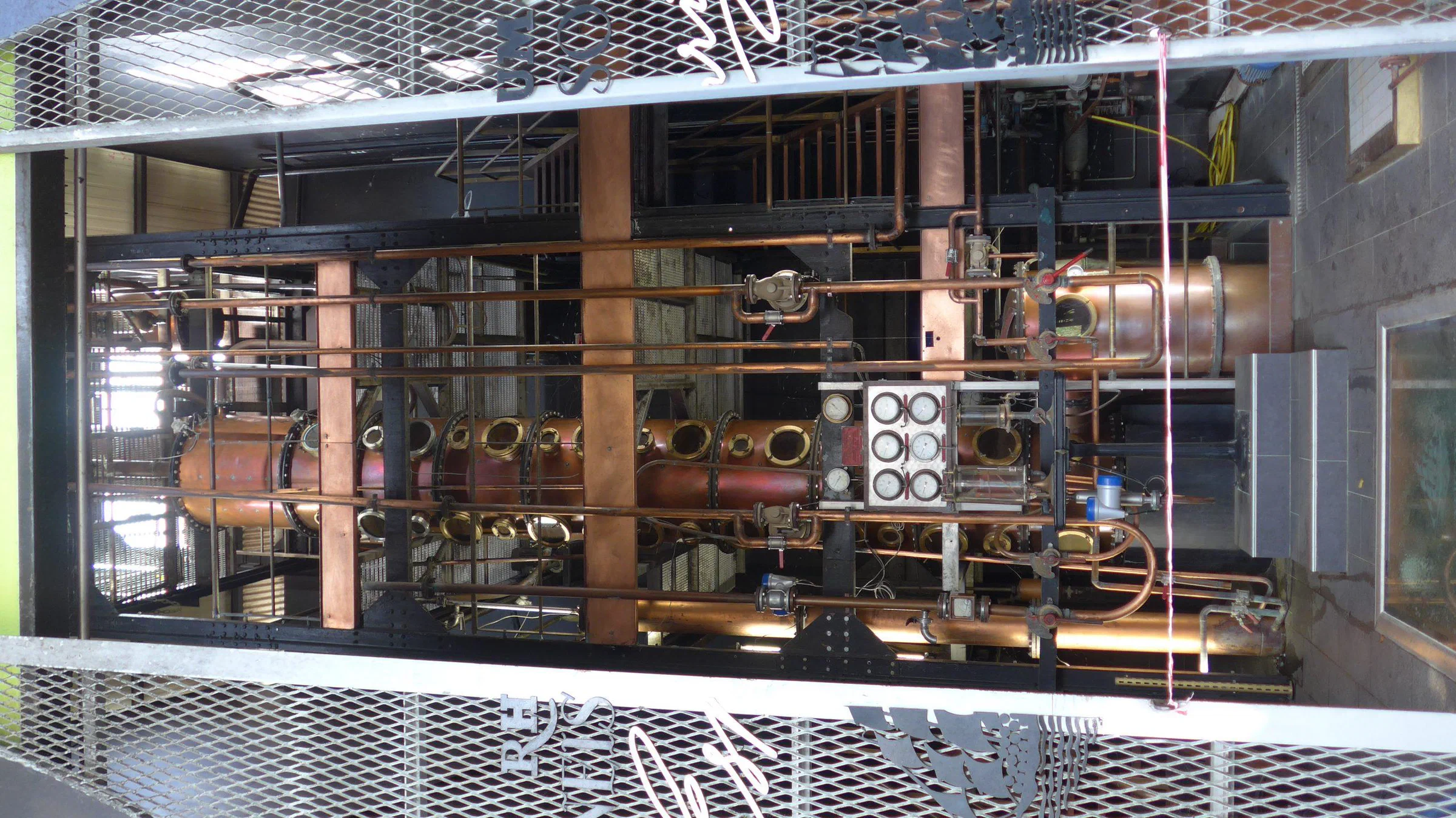
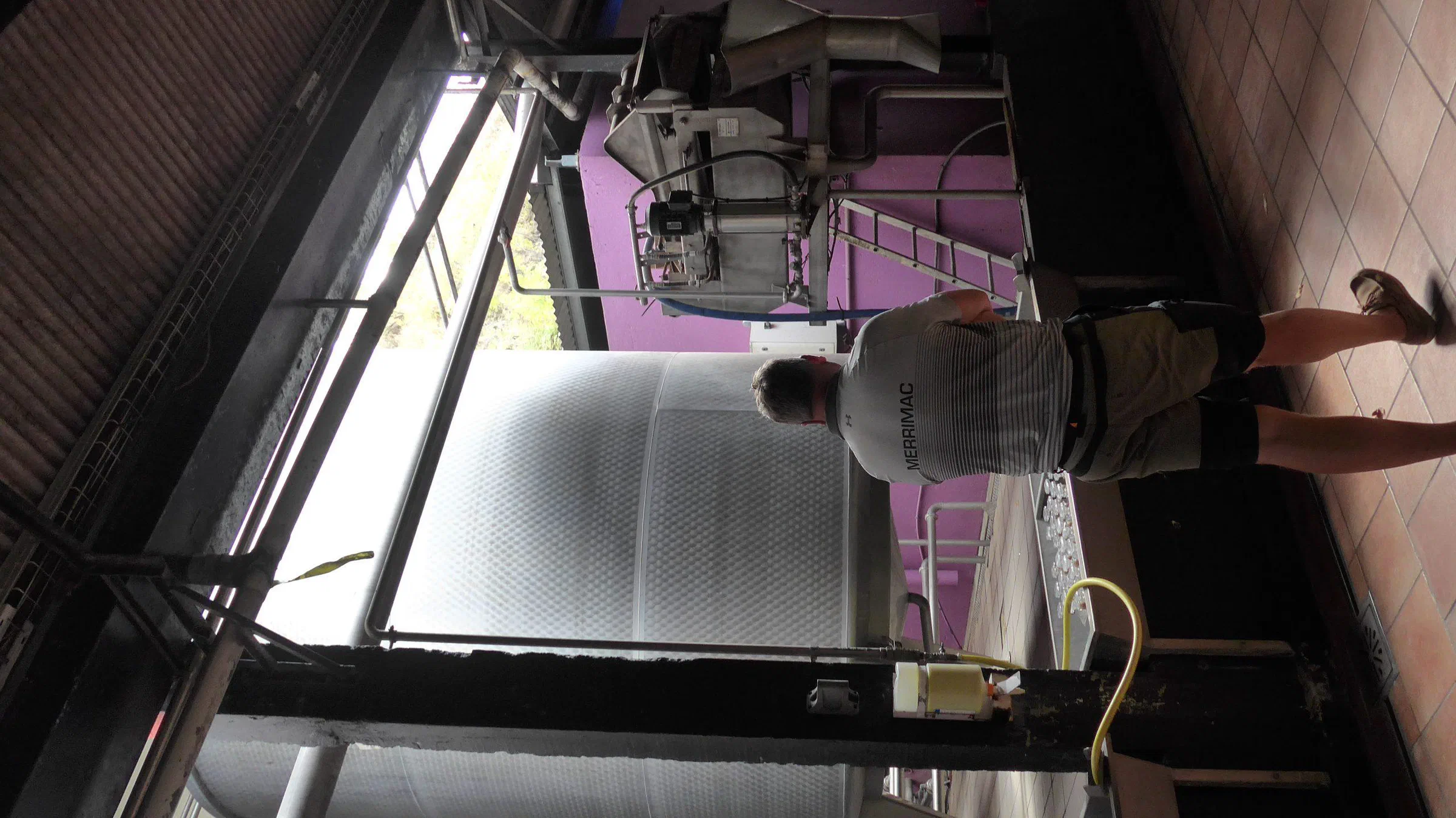
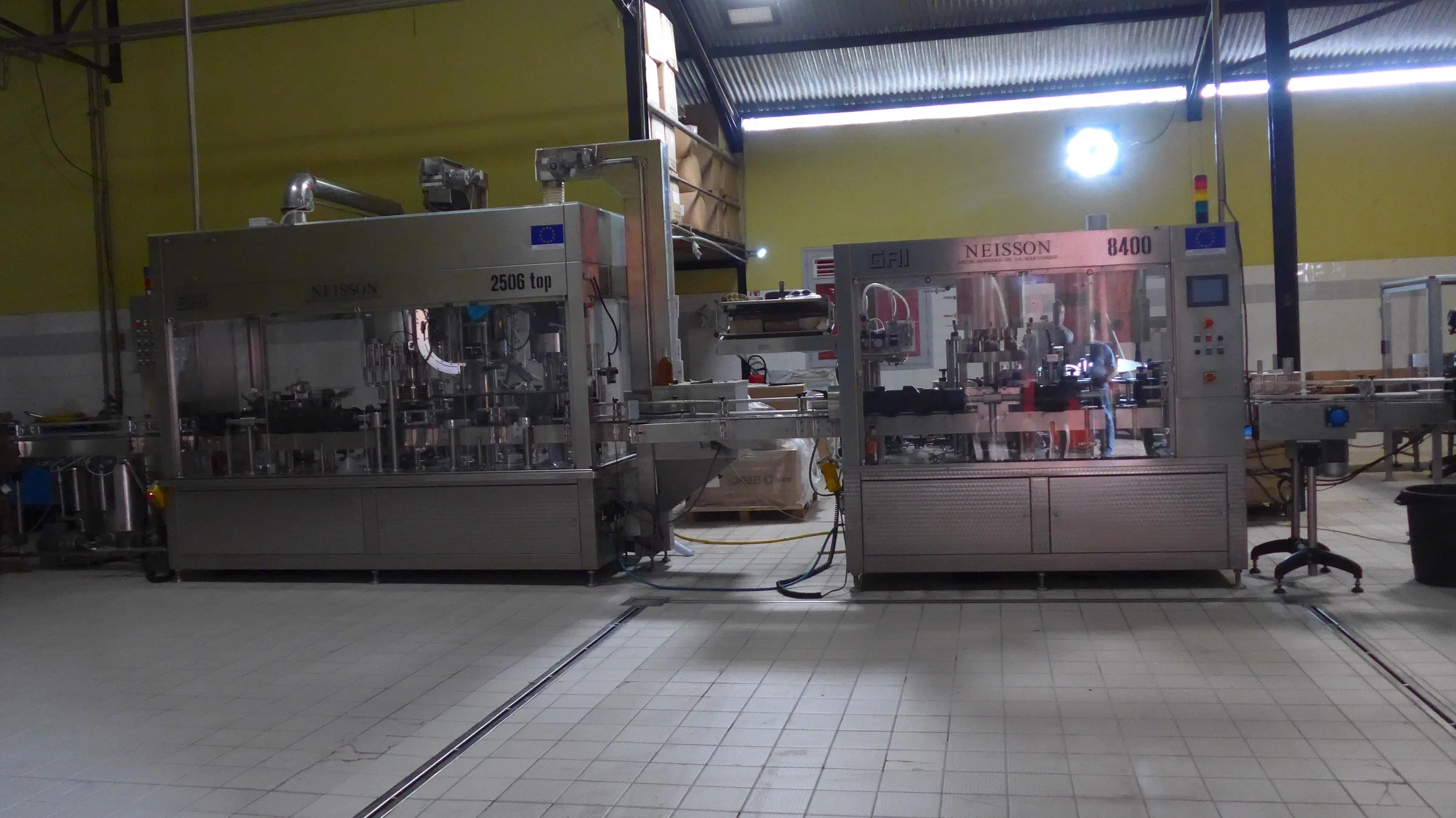
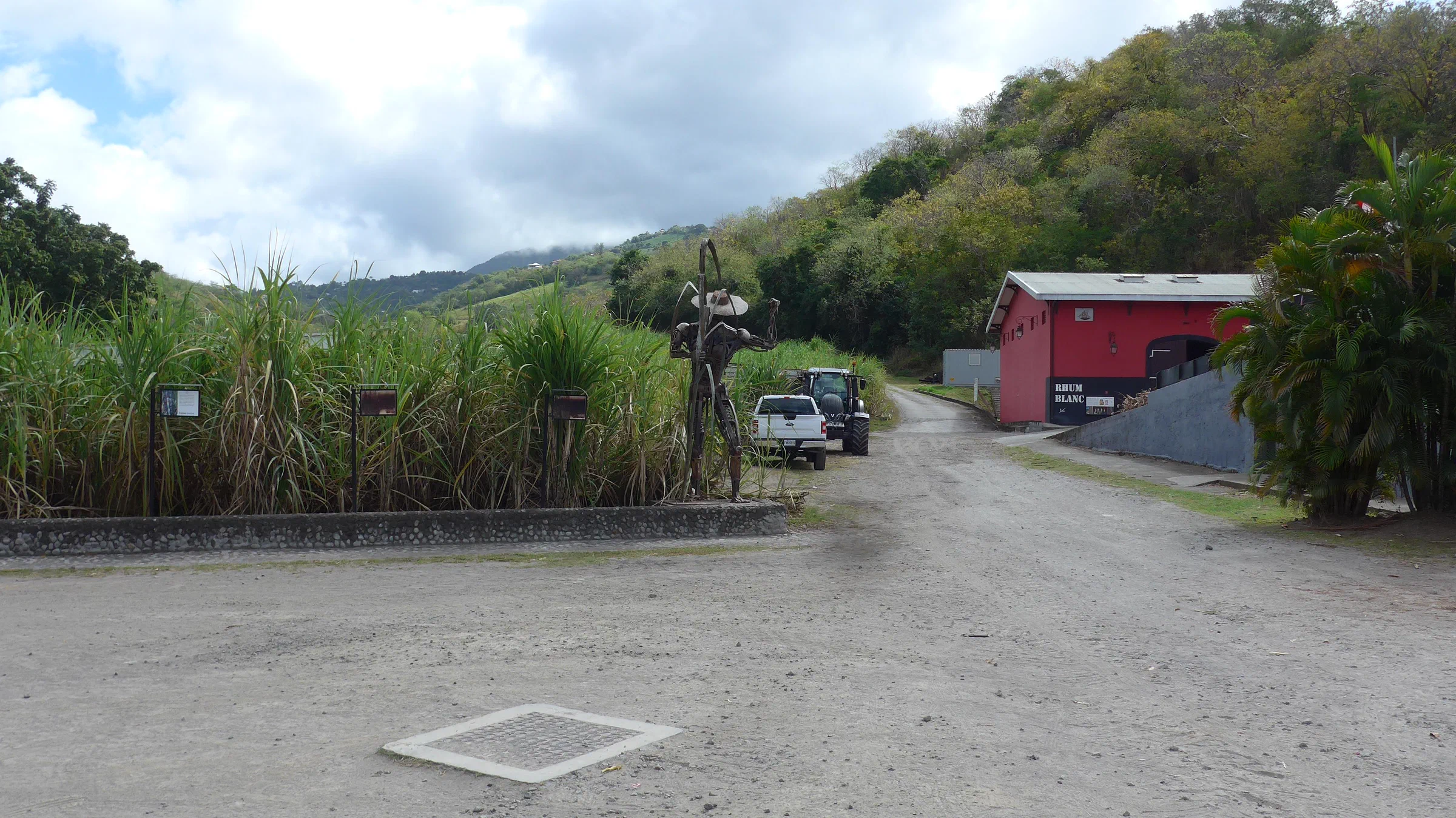
Behind the buildings a rather steep track runs about 100 metres up the hill, and John asked if we’d mind going for a short walk. Kees was already well ahead when, after about 50 metres, John dived into the verge and started circling a tree like a dog looking for the right spot. The penny dropped for me fairly quickly: he was geocaching. For those who don’t know what that is: people hide something, put the location plus a hint in an app, and other people go looking for it. It certainly gets you places. There’s a little logbook with it, and John came prepared: he conjured a pen out of his trouser pocket and logged his find on the rather special date of 29-02-2020. He turned out to be a very experienced geocacher with loads of finds to his name. Later that day he found another one, so as far as I’m concerned his day was already made.
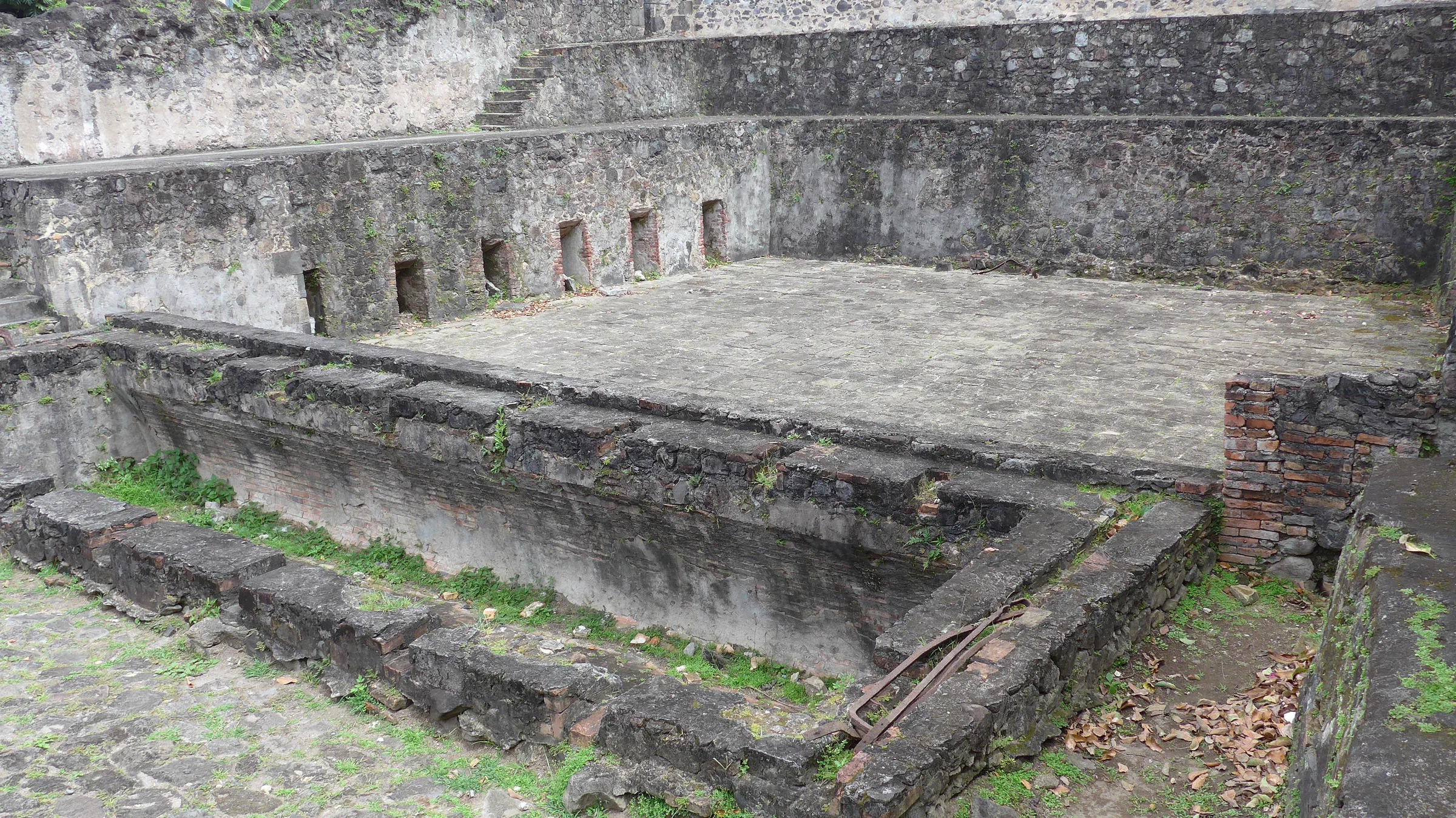
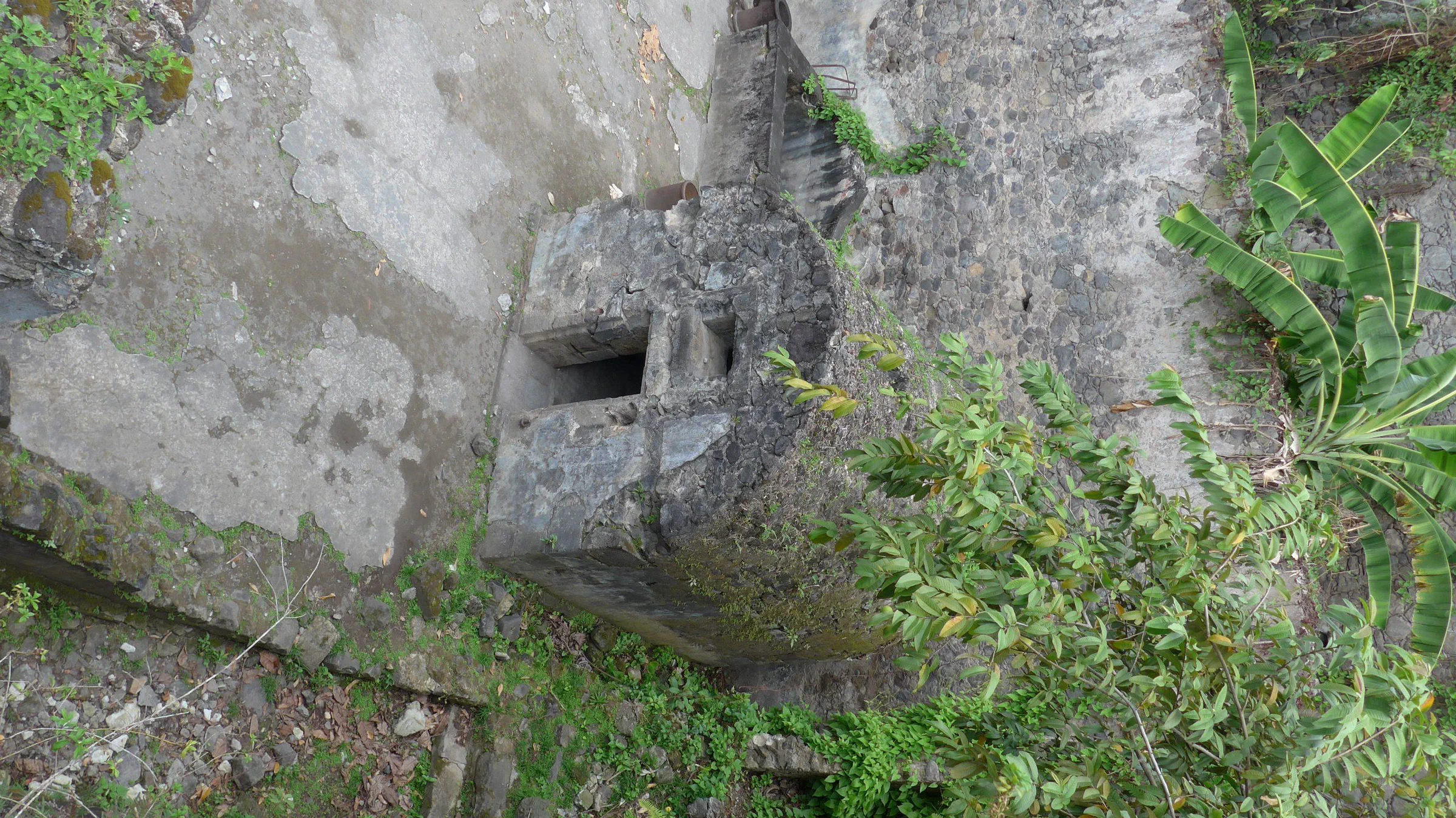
The next stop was St Pierre, the town hit by the volcanic eruption, where we visited the ruins of the theatre and, next to it, the cell that held the sole survivor (see my previous blog).
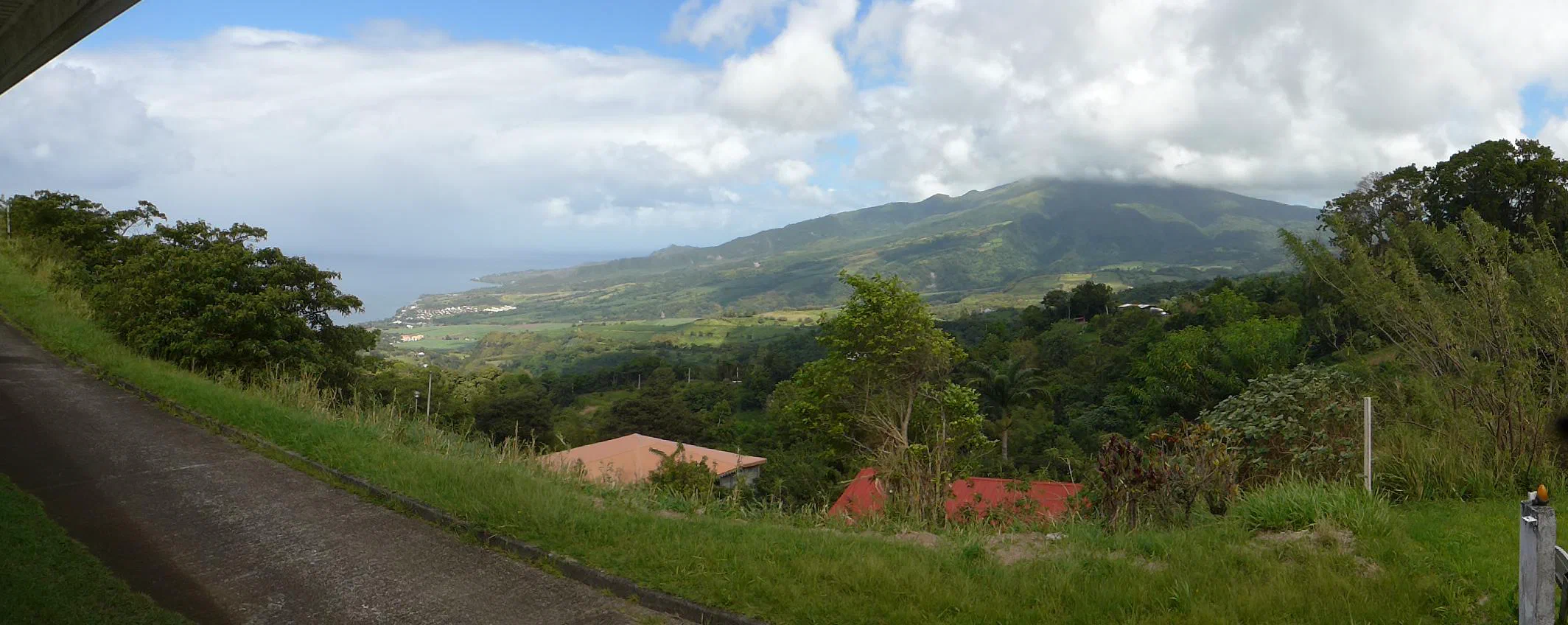
We visited an old observatory with a stunning view over the volcano and the valley
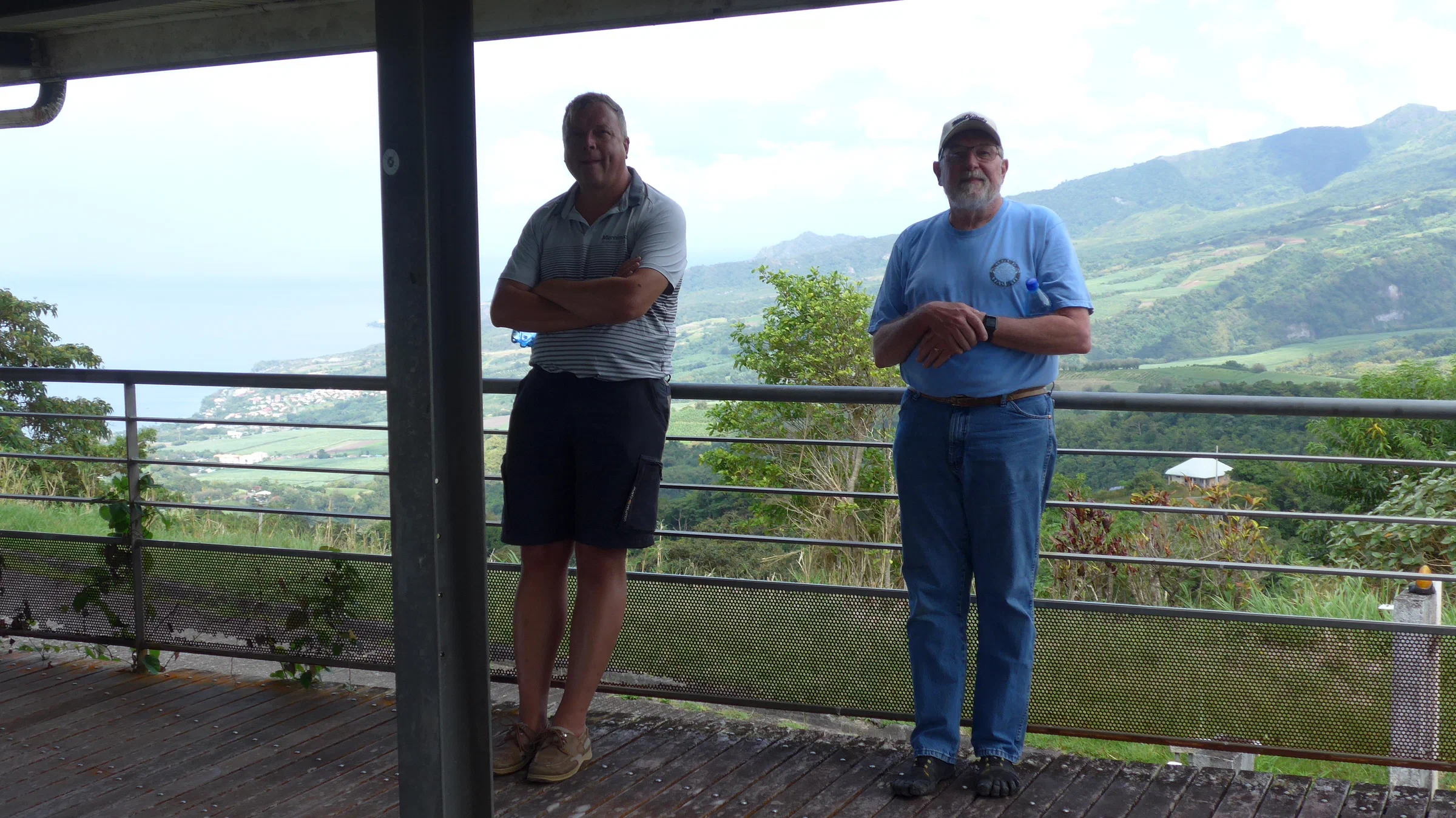
and an educational centre, the Centre de Découverte des Sciences de la Terre, where we watched a film about the volcanic eruptions and how the islands were formed. There are different types of eruption, but in a nutshell it comes down to the lava being different, and therefore the make-up of the land that gets formed. You can clearly see that in how the Caribbean islands came about. In Guadeloupe, where we are now, it’s obvious that the arc of islands was formed by two types of eruption: first a half ring to the east, later a second half ring to the west. Guadeloupe is shaped like a butterfly, and the western island is much higher, with craters and peaks. The building itself was specially designed to survive earthquakes.
We drove on until the road ended. At some point there was nobody about and no more houses, so we figured there was nothing left to see. But a kilometre before the end, cars were parked along the entire road and at times we could barely squeeze past. Although you can walk on a fair bit further, we decided to turn back and head east from St Pierre. Beautiful roads took us through beautiful countryside. We had a beer on the west coast and drove back towards the marina, where John treated us to a lovely dinner that evening.
The next morning the harbour master came to tell us we weren’t allowed to anchor there and had to leave; the marina had no free moorings either. Although we didn’t believe him (it’s public water, after all, and nothing on the chart says you can’t anchor there), we did as we were told and moved further into the bay. It was a lot calmer there anyway, and we could still get to the marina, where the car was, with the dinghy. That day we drove around the south-east side, which we hadn’t visited yet.
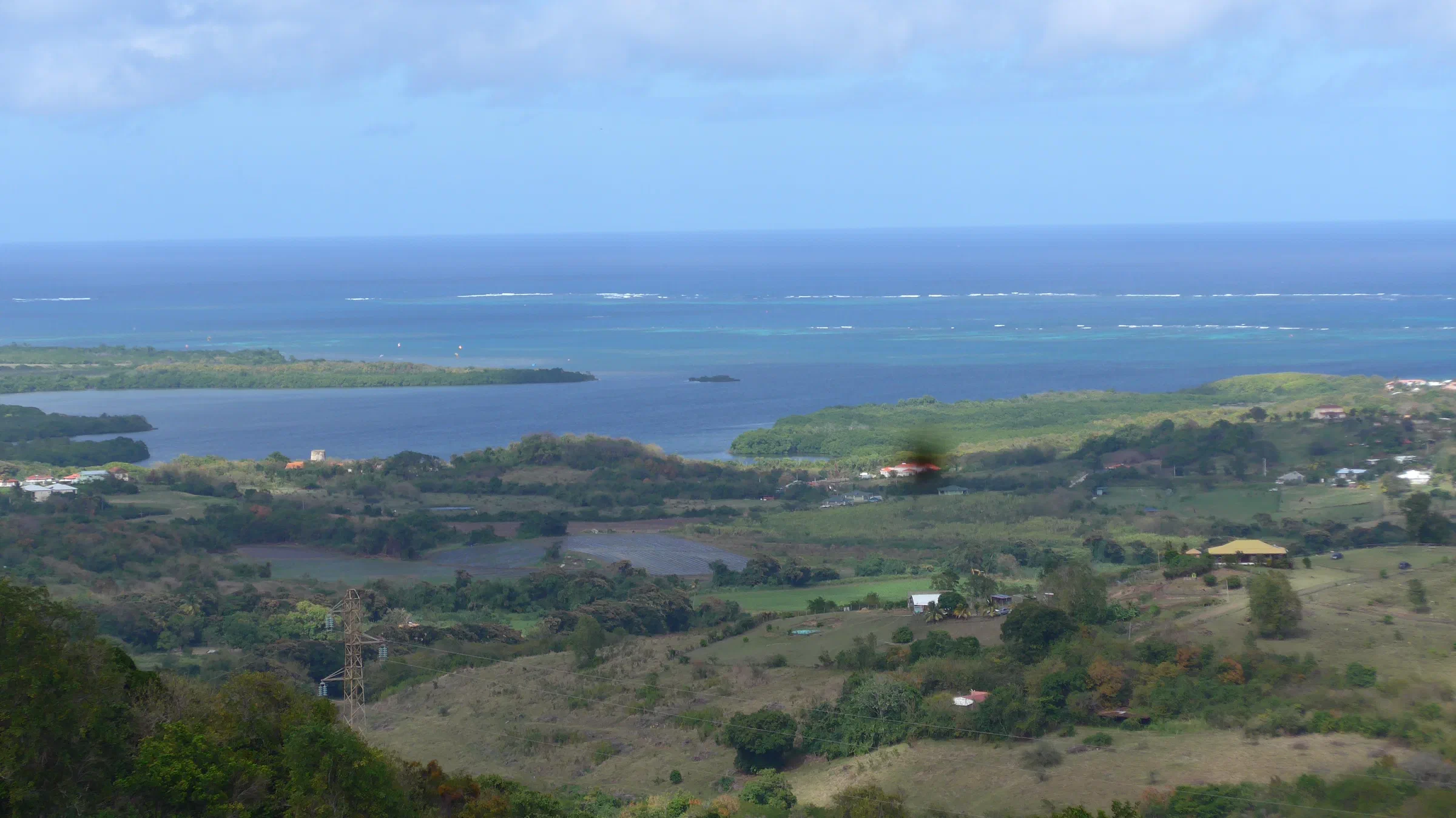
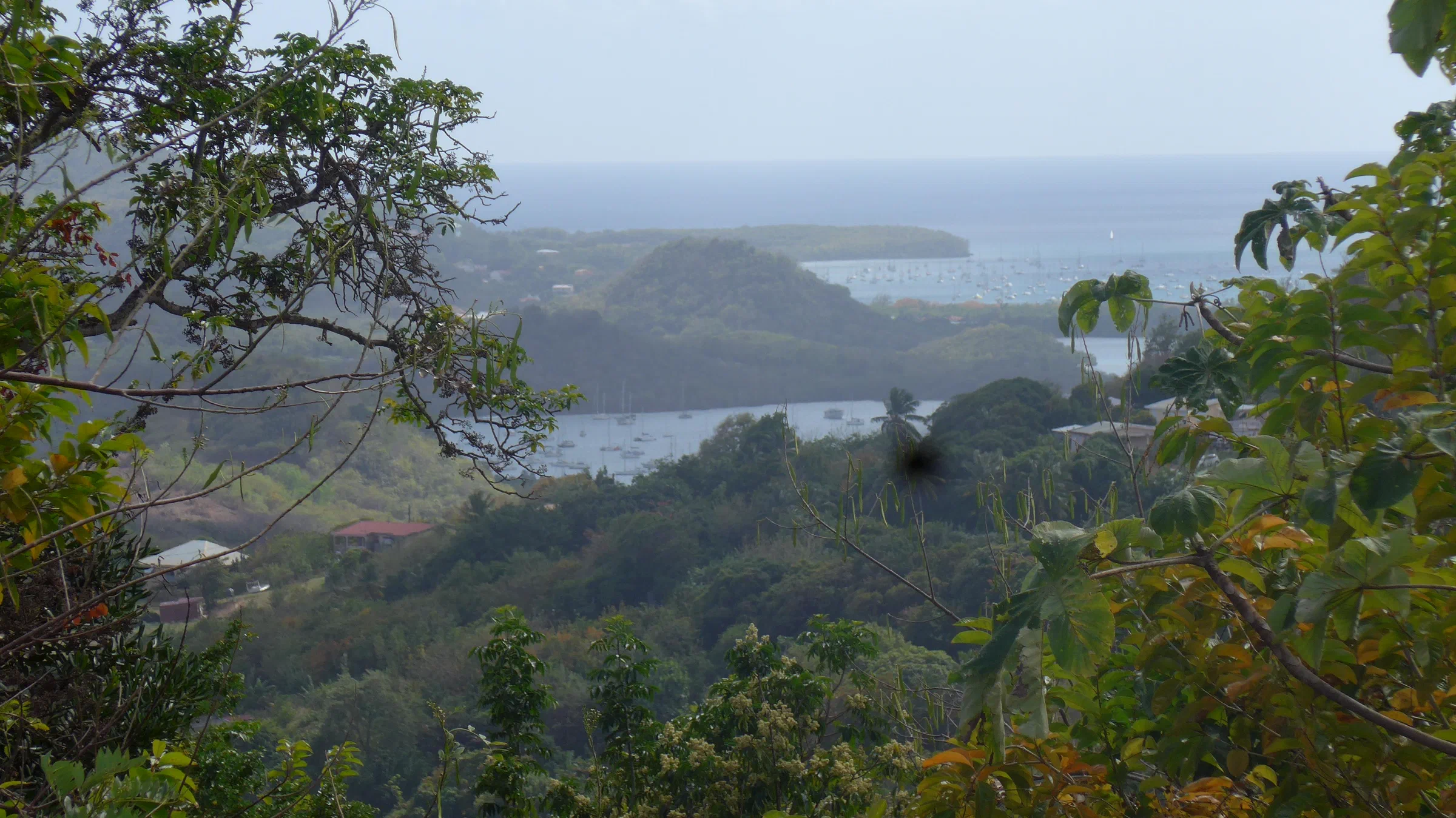
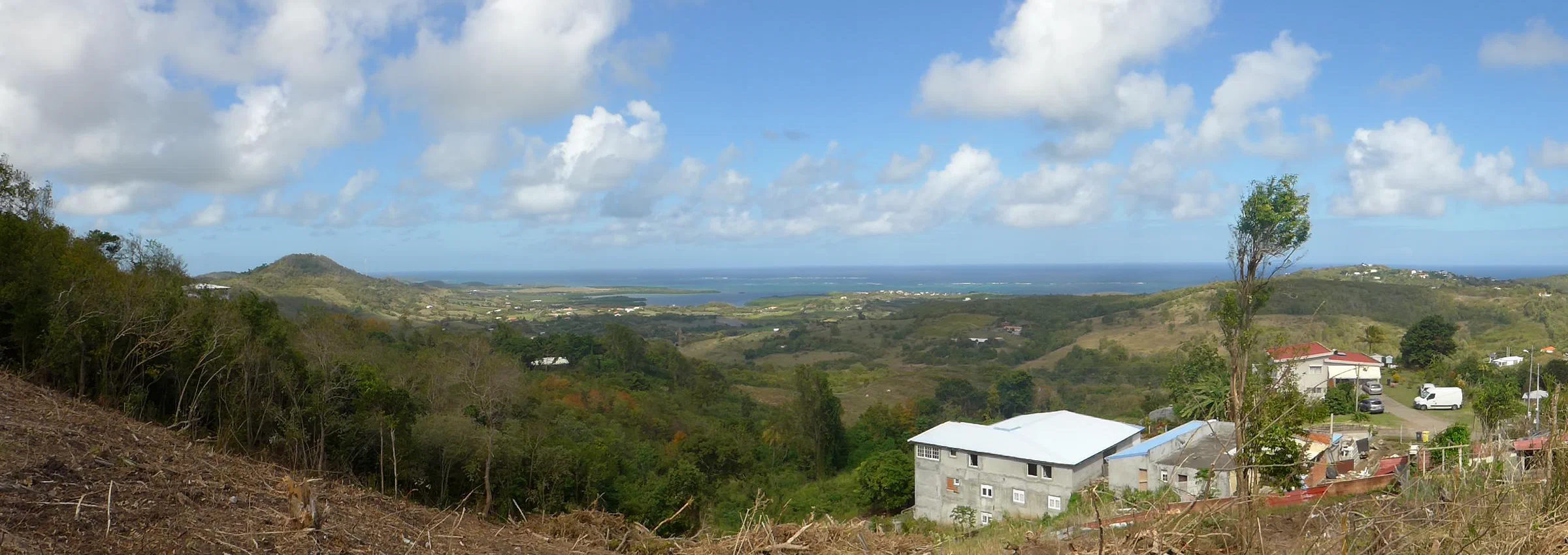
The car we had had a rather low front bumper, and sometimes we ended up on roads full of potholes and bumps. Kees was driving and found it all rather nerve-racking (not to mention hard work). One lane was marked as a minor road on Google Maps, but it was nothing more than a cart track and so hard to drive that we’d have been quicker on foot. After that ordeal we’d had enough and decided to head for the capital for sushi. There was a swimming race going on in the bay and the place was nicely buzzing. Before dinner we had a drink on the balcony of a bar, where we got talking to two local guys on their Sunday outing. One of them works for the government and confirmed that we were perfectly entitled to anchor where we’d been sent away from. The one doing most of the talking runs a little pizza place that’s closed on Sundays. He was very funny and kept high-fiving Kees. We had a great time, and after quite a few drinks we did eventually manage to tear ourselves away to go and eat. It wasn’t the best sushi, but since not many restaurants are open on a Sunday and we were finally eating something different for a change, we thoroughly enjoyed it.
On Monday morning Kees took the dinghy and the kick scooter to collect the parcel, the new part for the bow thruster. That all went very quickly, and before I knew it the part was fitted and the bow thruster was working again. We did some last shopping and returned the car. As Kees still had a conference call coming up and we knew the internet was reliable here, we stayed put for a few more days.
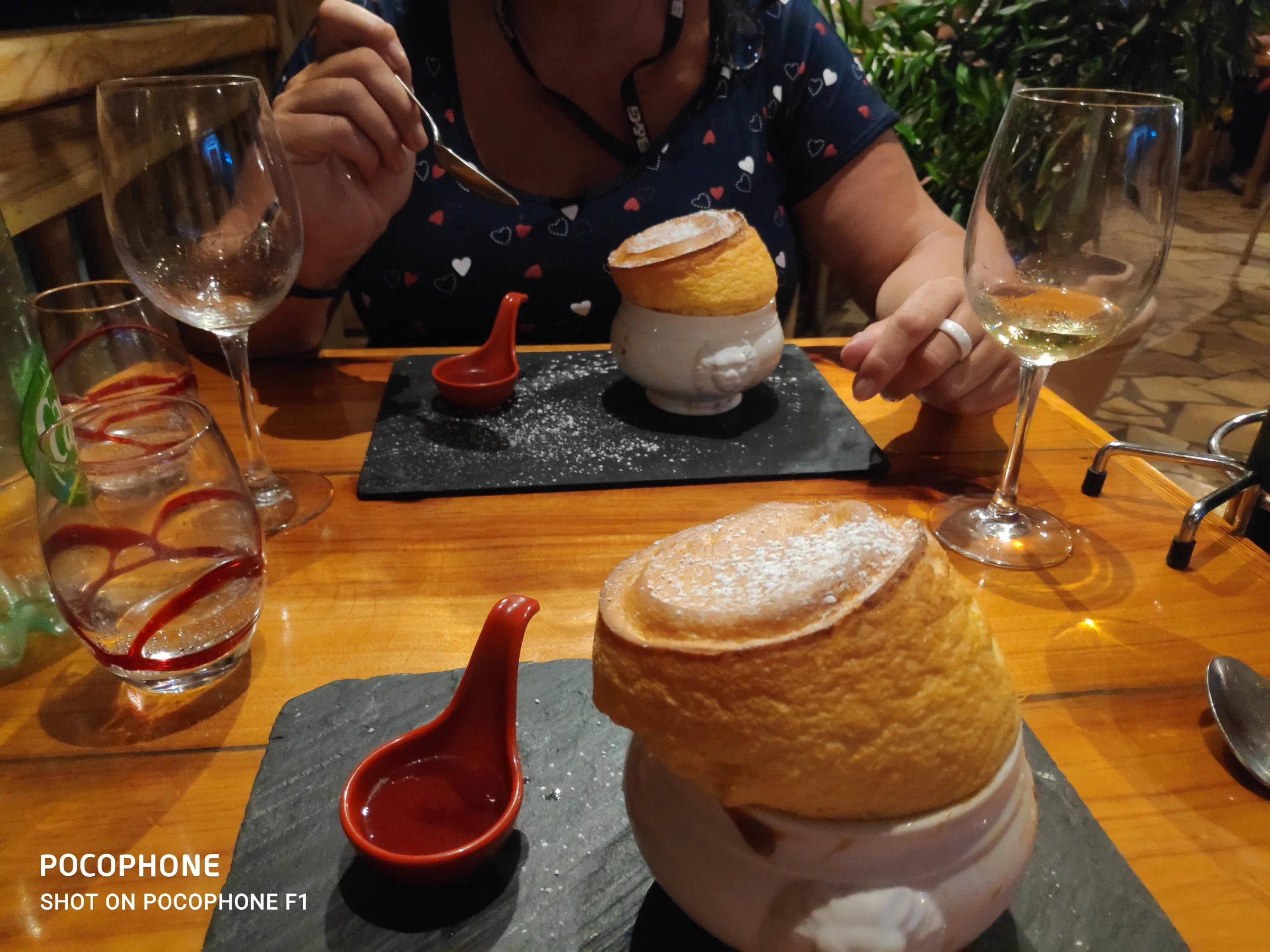
On Thursday we left Martinique for Guadeloupe. To avoid the hassle of clearing in and out, we stayed in French territory and skipped Dominica. We spent the night in Prince Rupert Bay; spots further south looked nicer but turned out to be unsuitable for anchoring. The next day it was just a short hop to the Îles des Saintes, the southern islands of Guadeloupe. We picked up a mooring off Îlet à Cabrit. The swimming and snorkelling there are wonderful. It’s about 10 minutes by dinghy to Terre-de-Haut, a really laid-back little town where we got fresh bread and ate two nights running at a lovely restaurant, Ti Kaz’la. Their speciality is a delicious mango soufflé, which you have to order right at the start. We missed out on the first night, so on the second night we went for it. Delicious indeed!
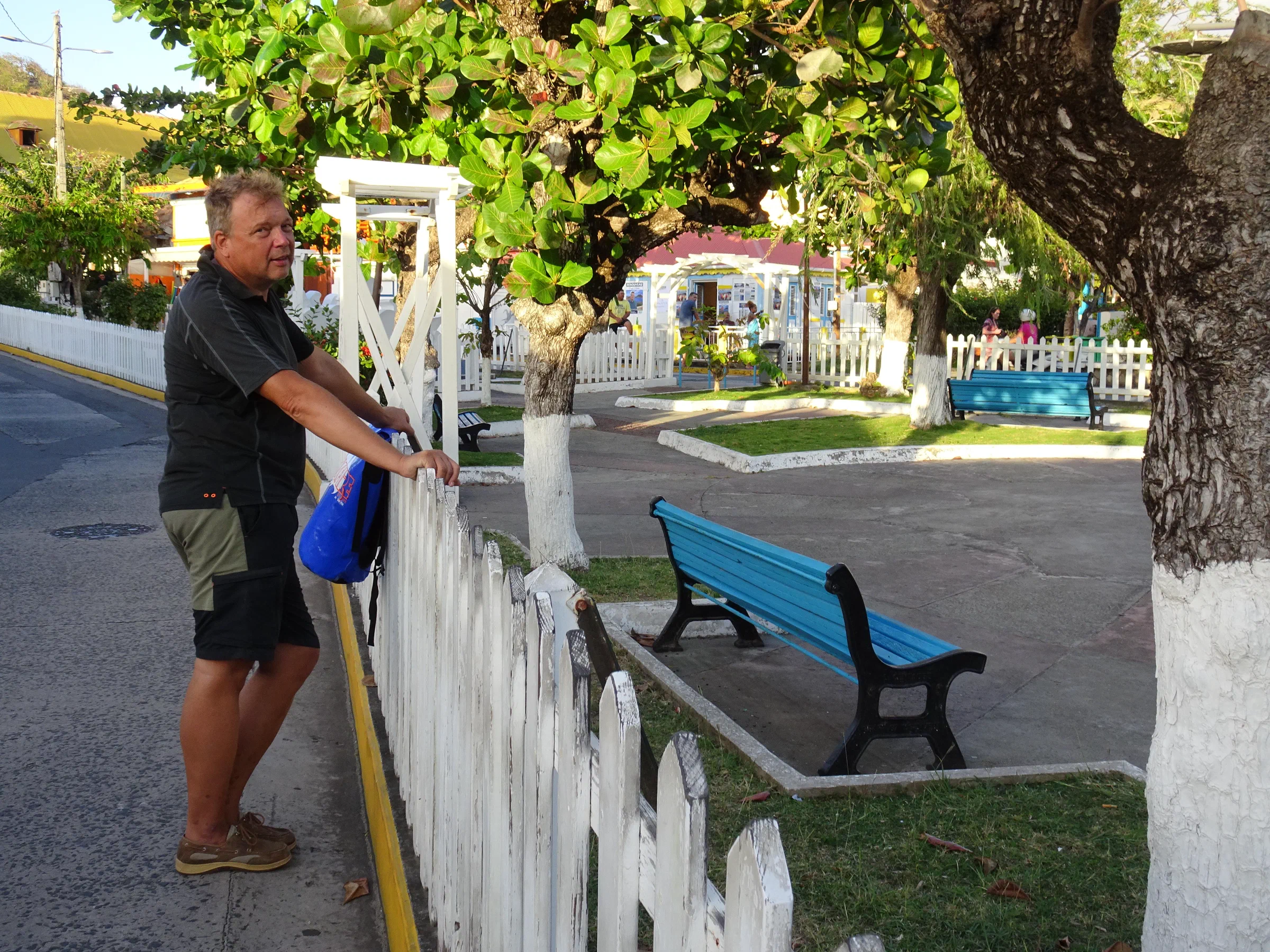
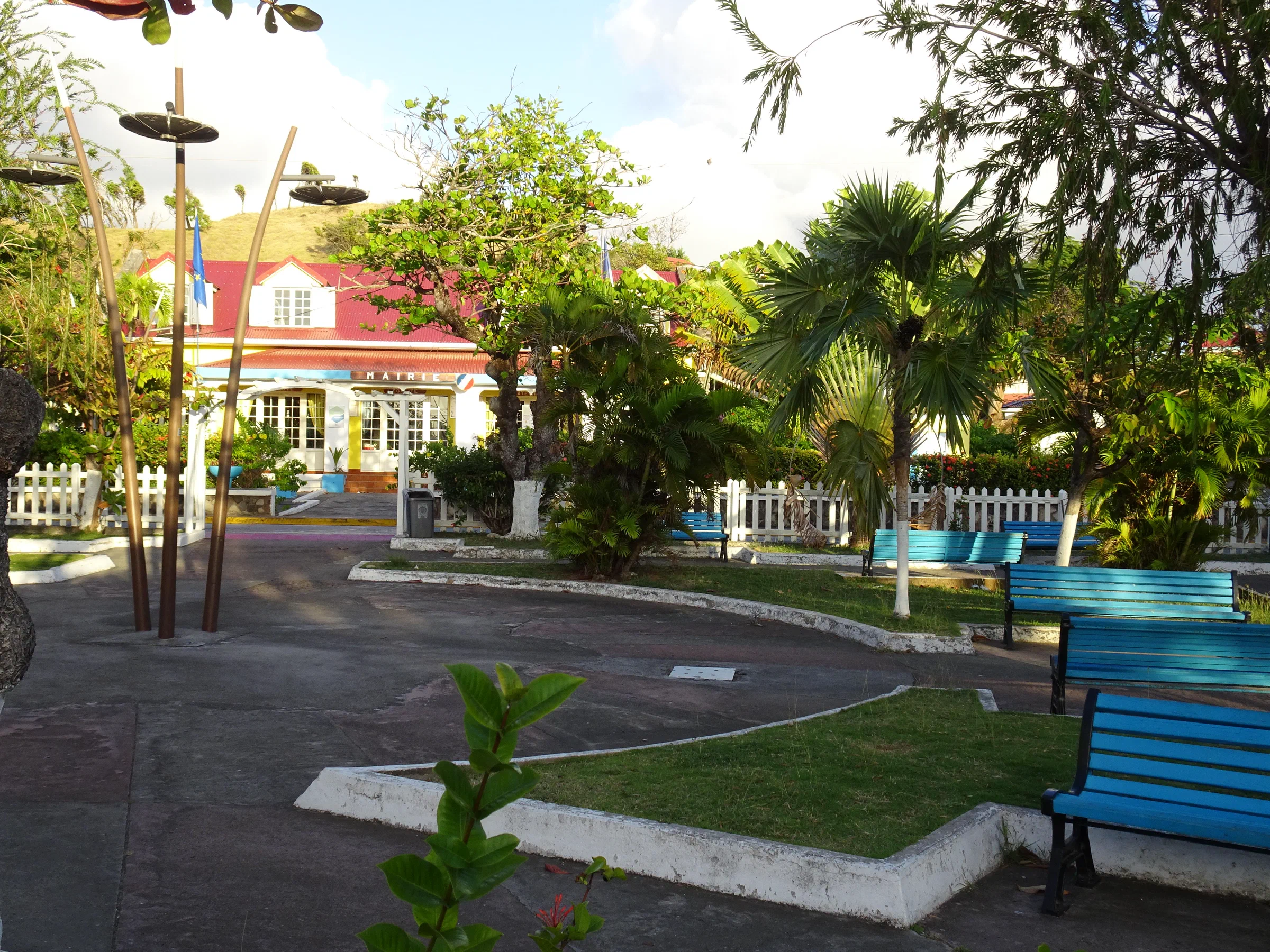
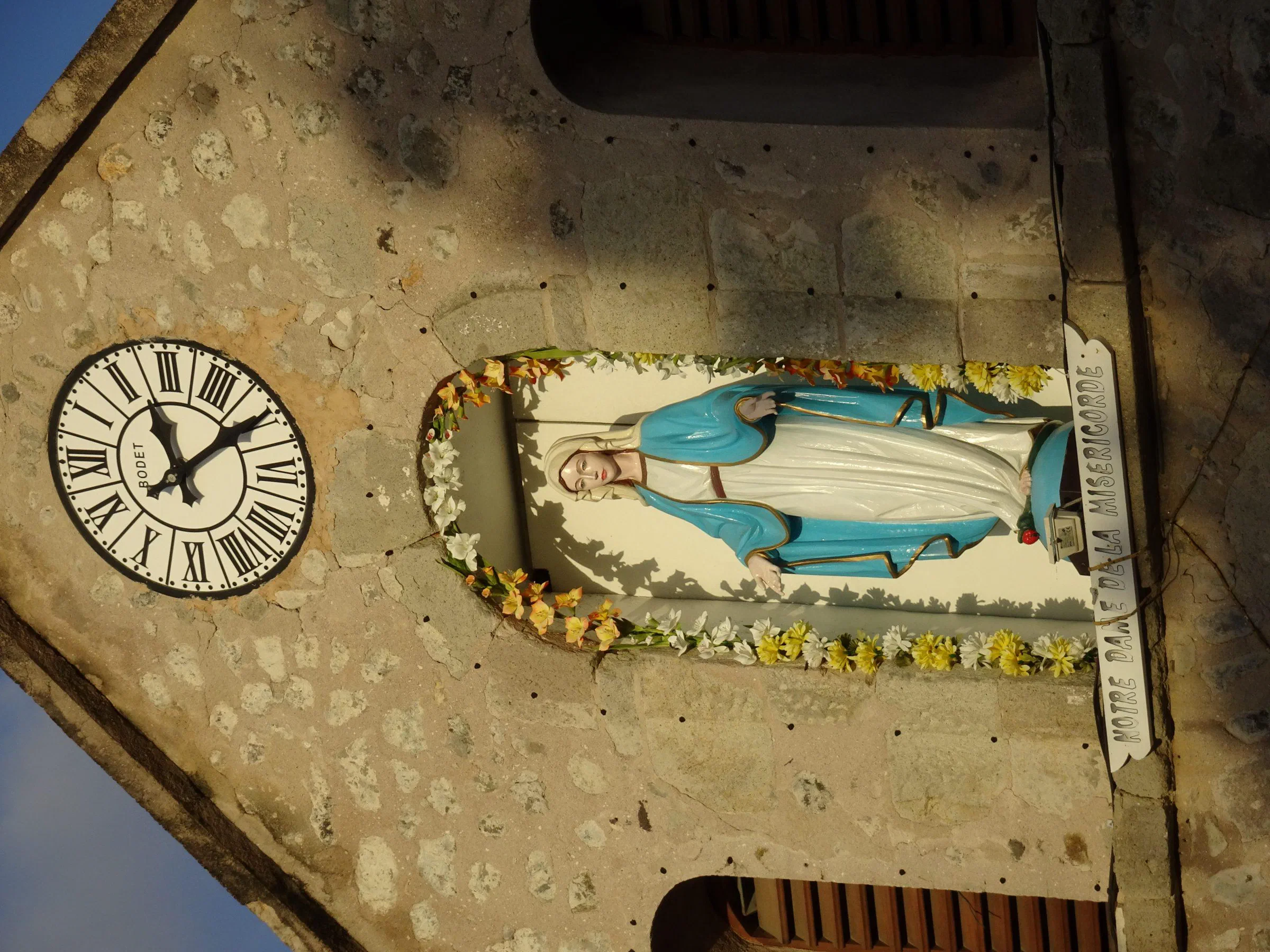
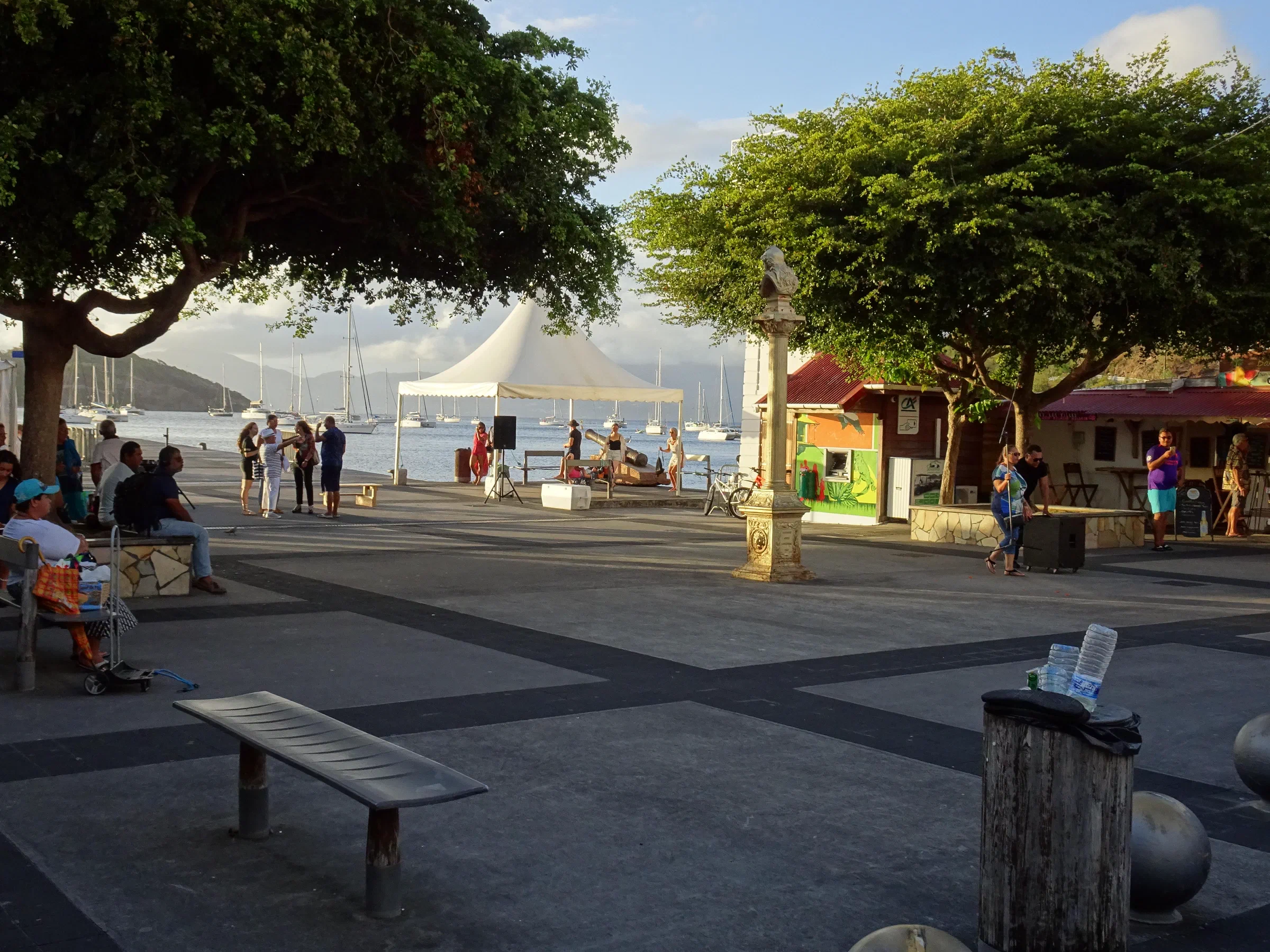
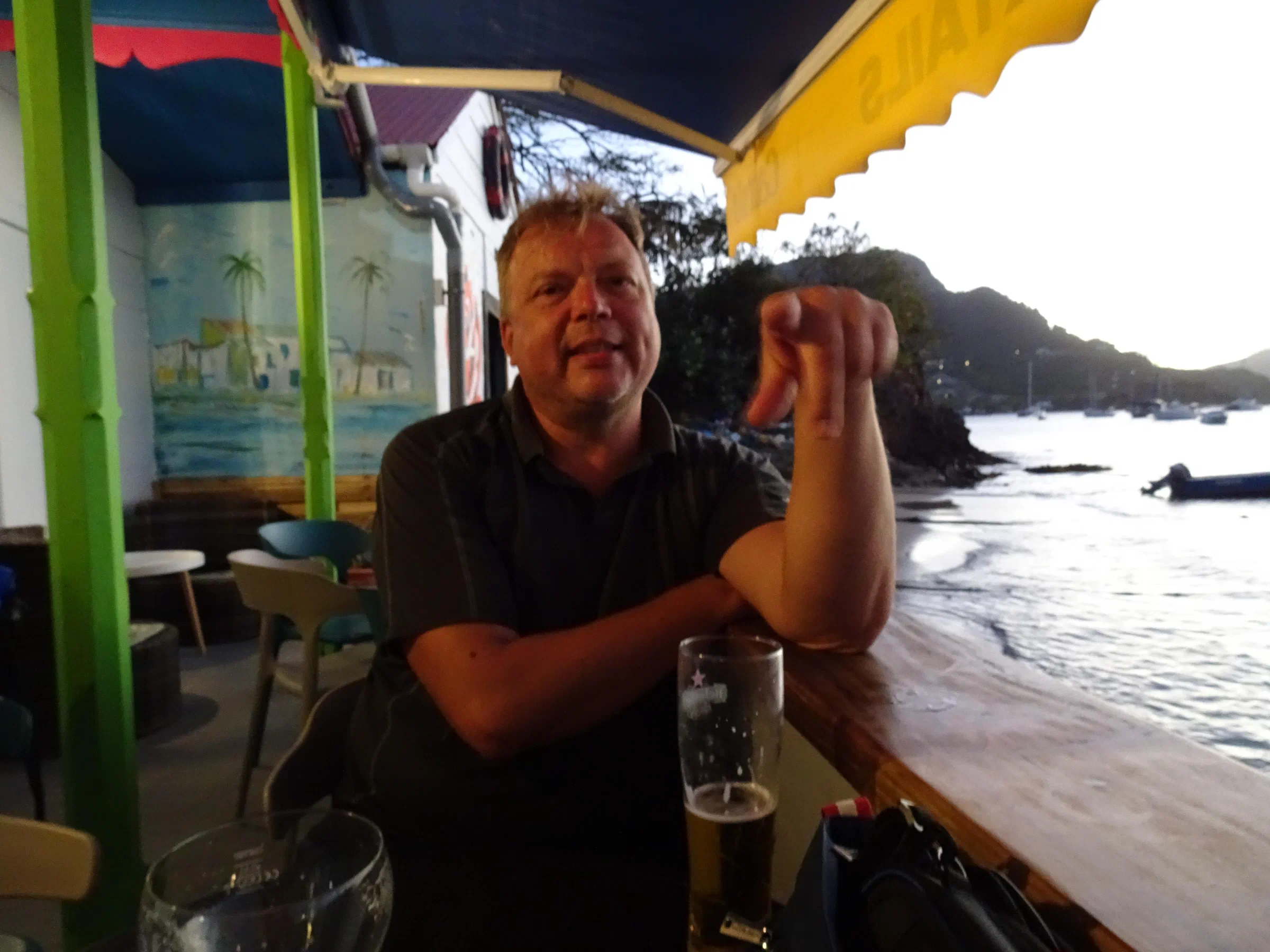
We moved the boat to different spots in the bay a few times, but in the end anchoring off Îlet à Cabrit was best. There were a few luxury superyachts in the bay as well (Pi, and Ace including her support vessel Garçon 4 Ace), and every few days a cruise ship called at Terre-de-Haut.
Before heading on to the islands further north of Guadeloupe, we wanted to spend a few days on the main island, preferably in a marina. I called Marina Rivière-Sens in the south-west of Basse-Terre, the western island of Guadeloupe, and they had room for us. It’s a small marina, but everything is close by: baker, butcher, supermarket and a few restaurants.
To be continued in the next blog.
Comments